Streetcar Meaning: Definition, History, Examples, and Differences
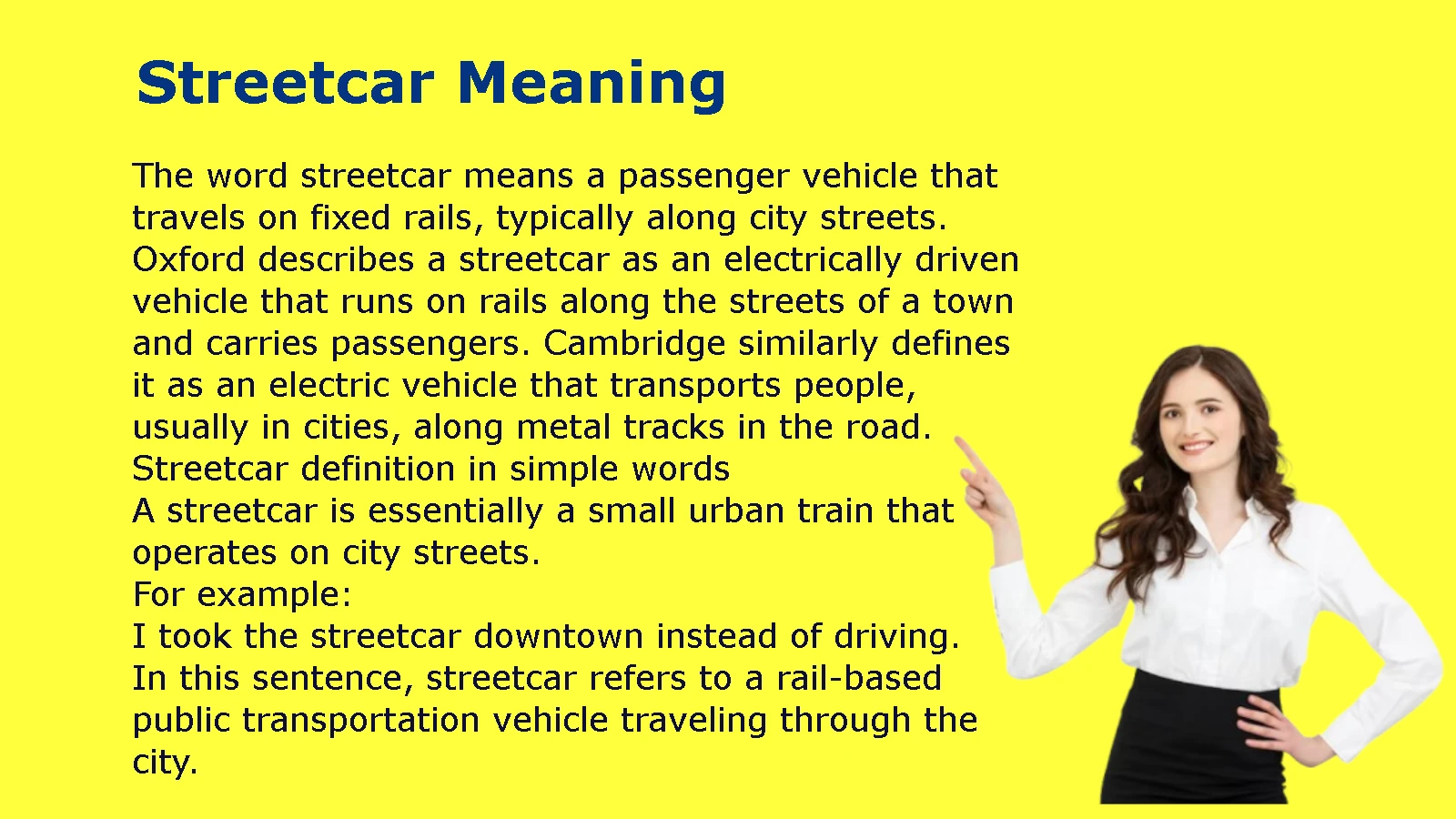
The streetcar meaning refers to a rail vehicle designed to transport passengers along tracks, typically laid on or beside public ...
Read more
Fetish Meaning: Definition, Examples, Psychology, and History
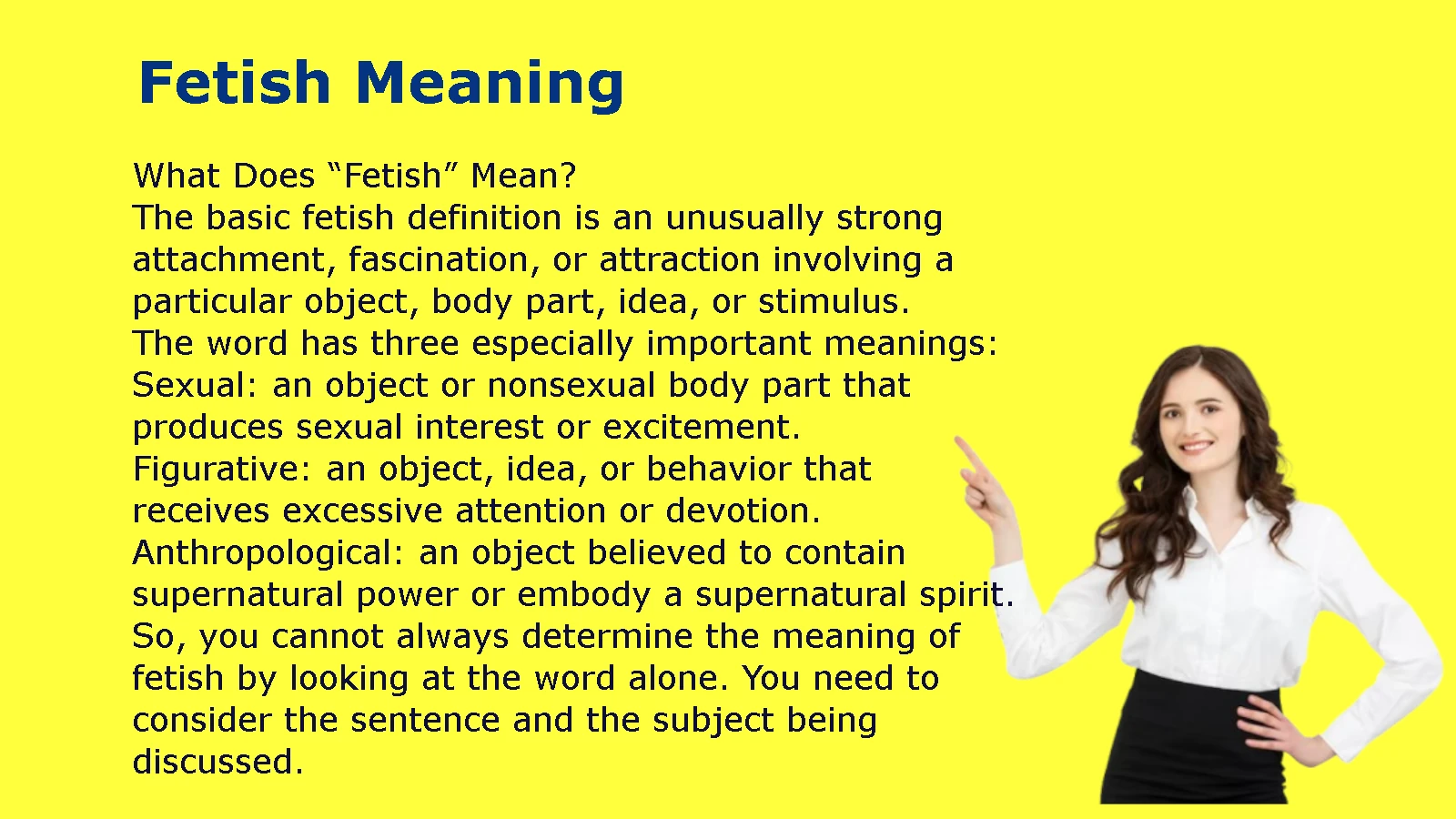
A fetish is a strong and unusual interest in a particular object, body part, activity, or idea, especially when that ...
Read more
Hoe Meaning: Definition, Slang, Examples, and Texting Usage
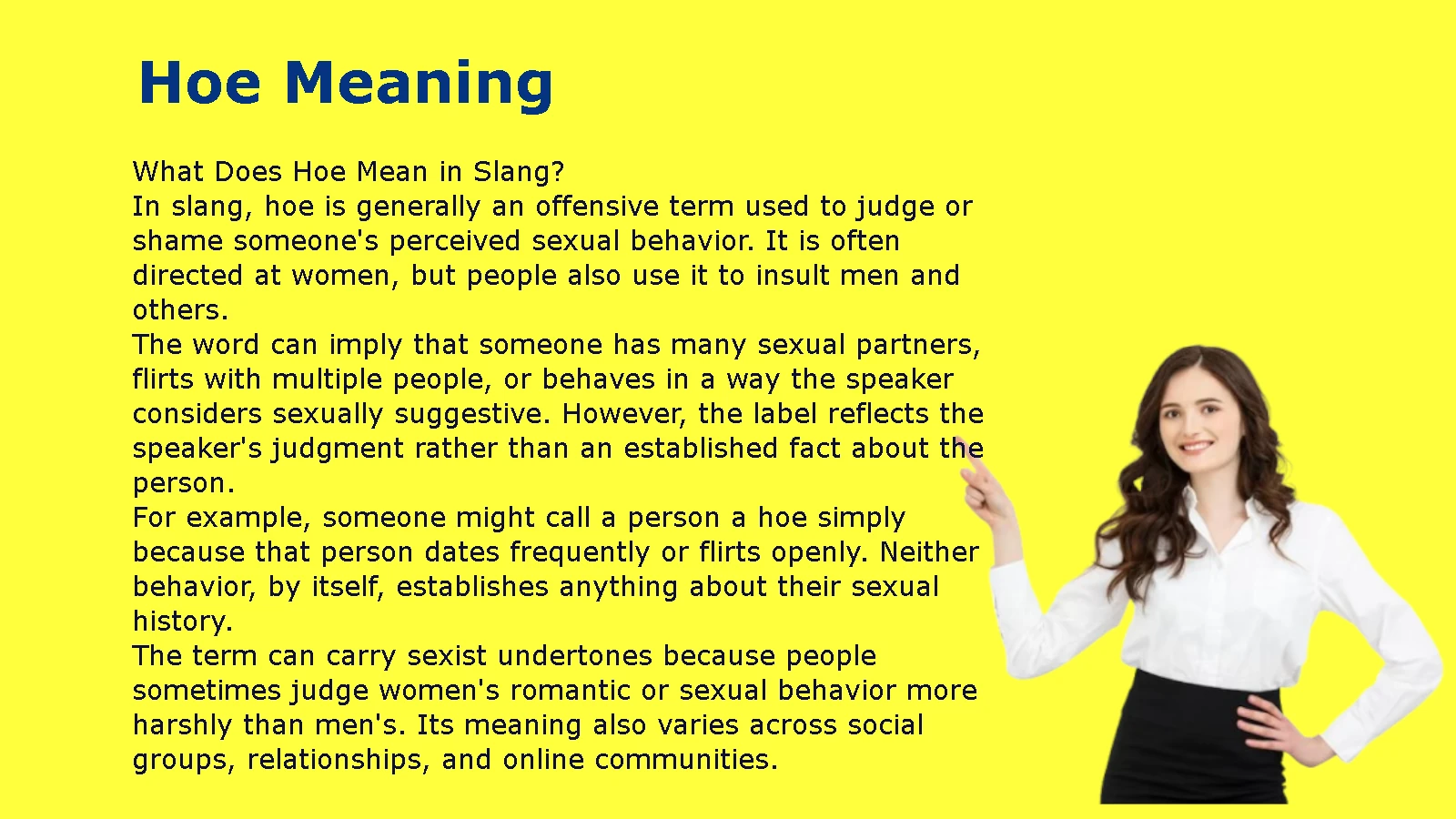
The hoe meaning can therefore refer either to the agricultural tool or to the slang expression derived from “whore.” In ...
Read more
Gripped vs Griped: What’s the Difference?
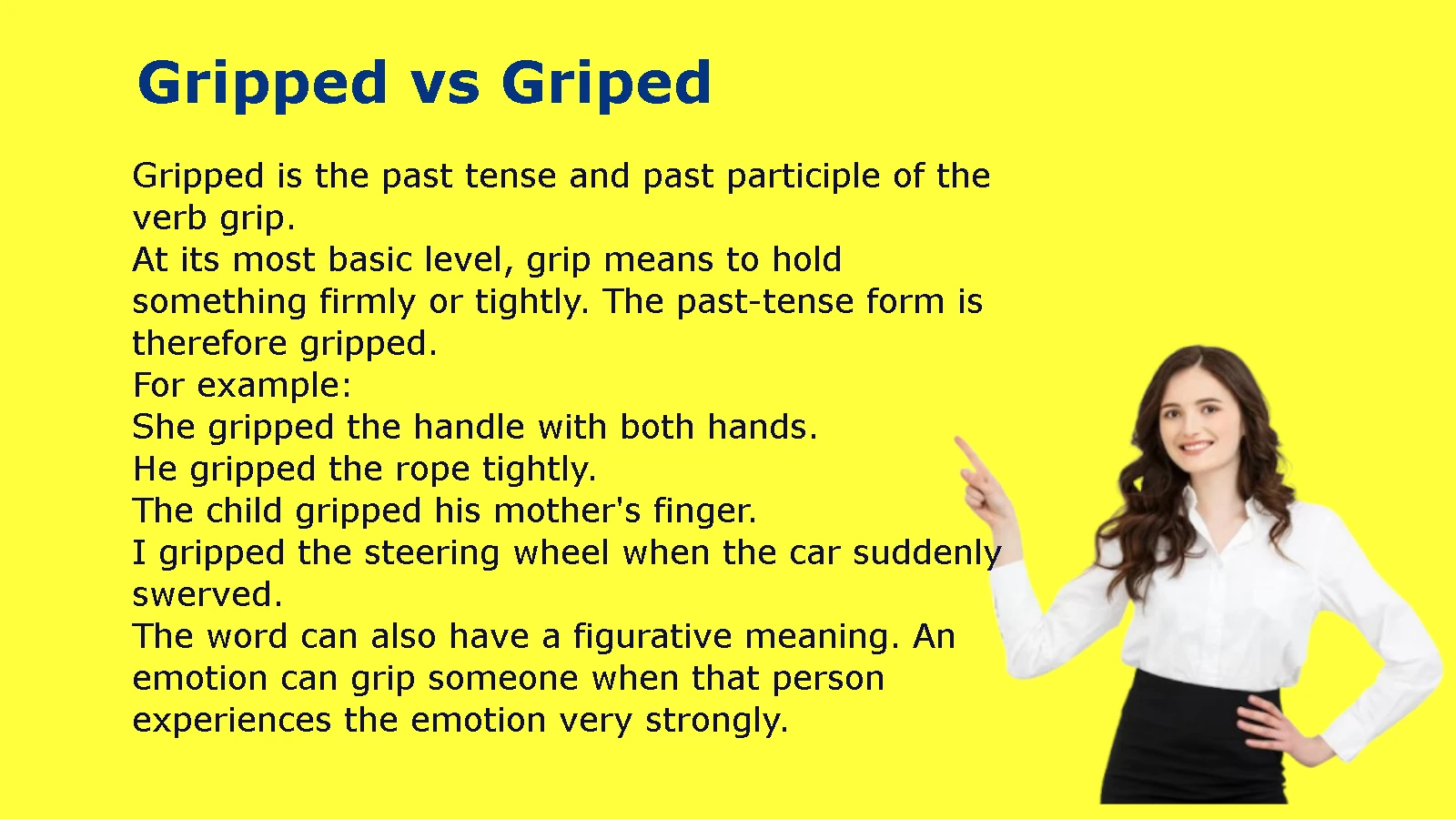
Gripped vs griped can be confusing because these words look and sound similar, but they have completely different meanings and ...
Read more
Planned vs Planed: Which Spelling Is Correct?
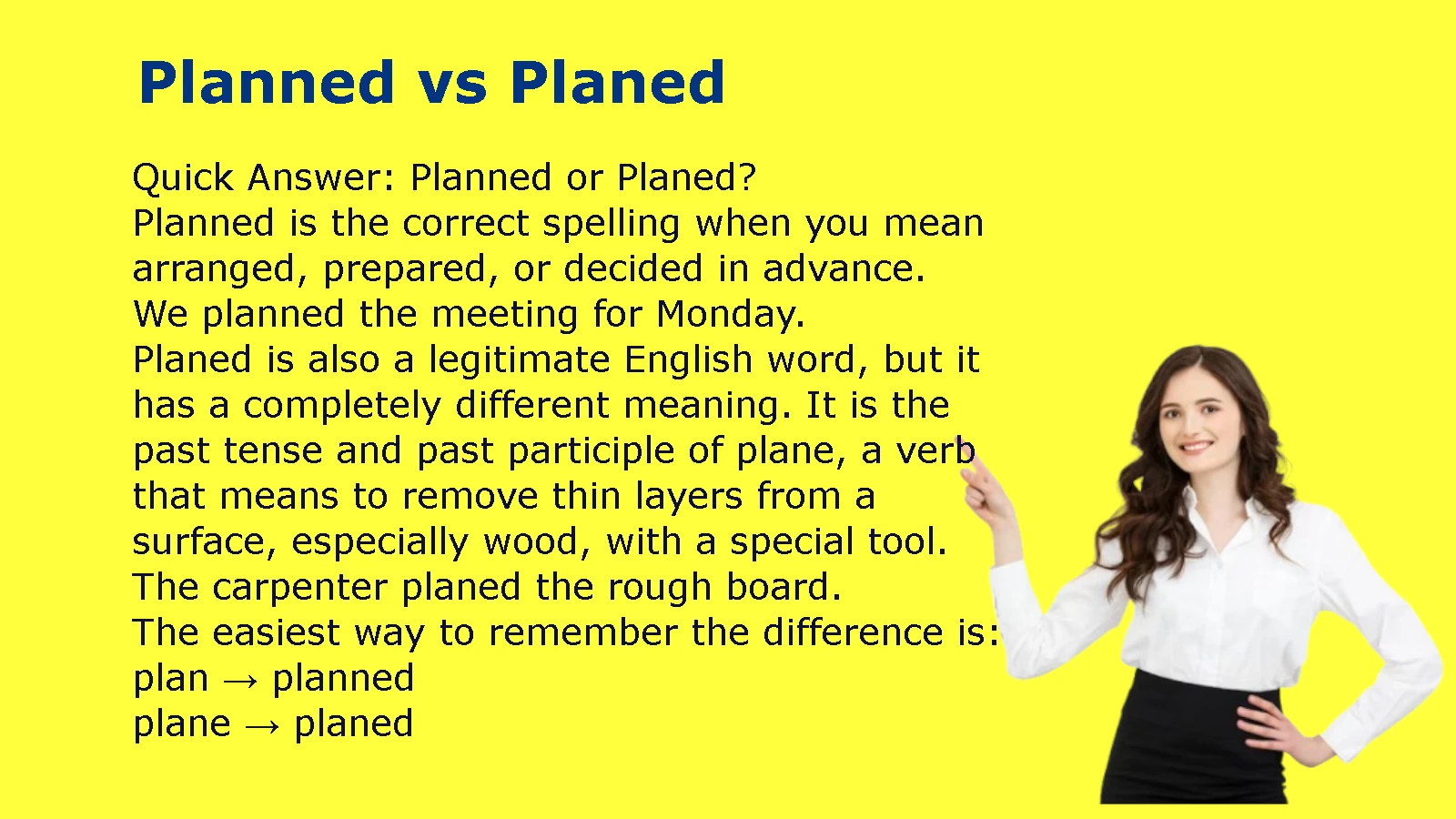
Planned vs planed is a common spelling confusion, especially because both words are pronounced similarly but have completely different meanings. ...
Read more
Regretted vs Regreted: Which Spelling Is Correct?
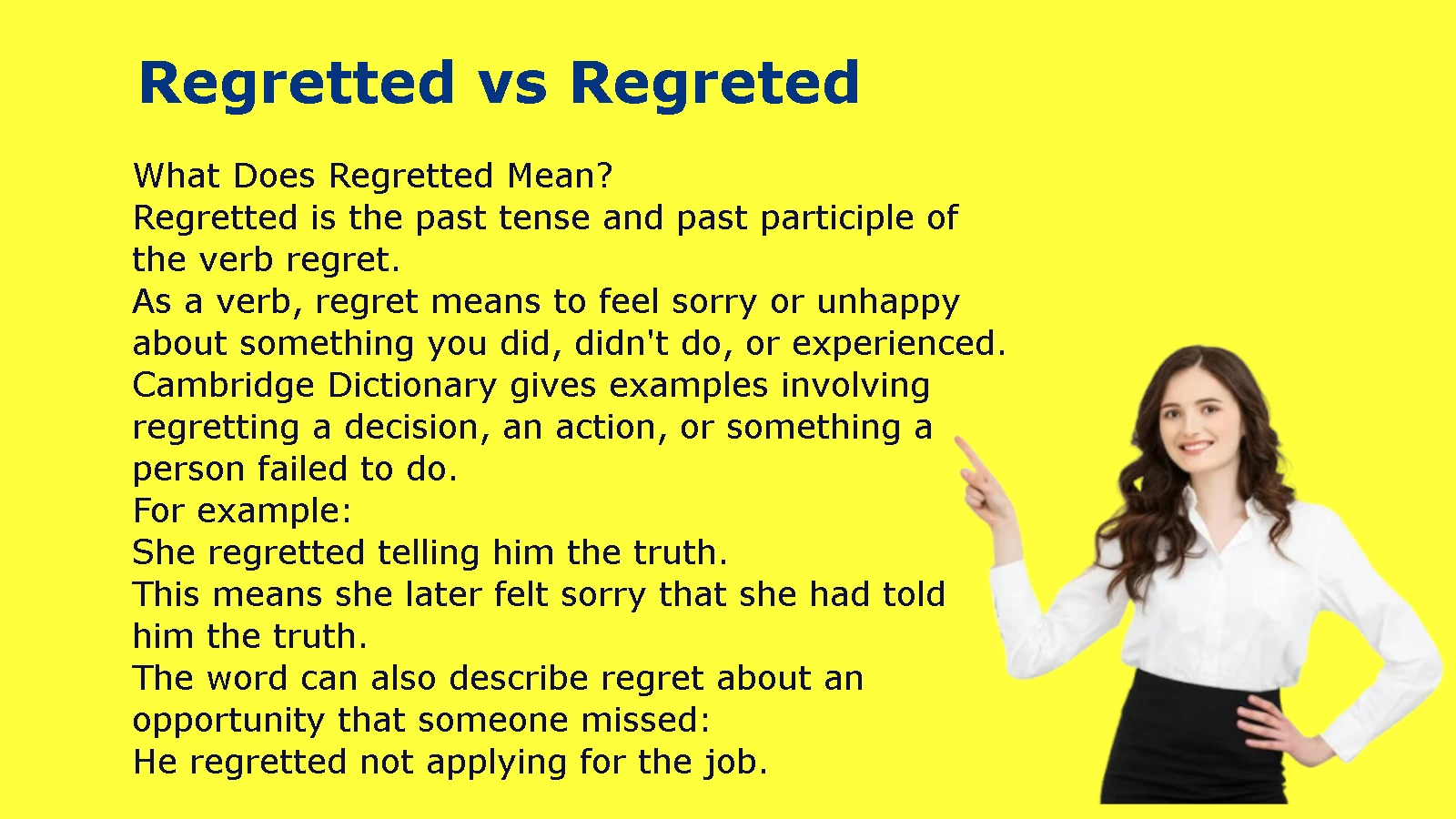
“Regretted” vs. “regreted” is a common spelling question that comes up when writing about feeling sorry, remorseful, or disappointed about ...
Read more
Stopped vs Stoped: Which Spelling Is Correct?
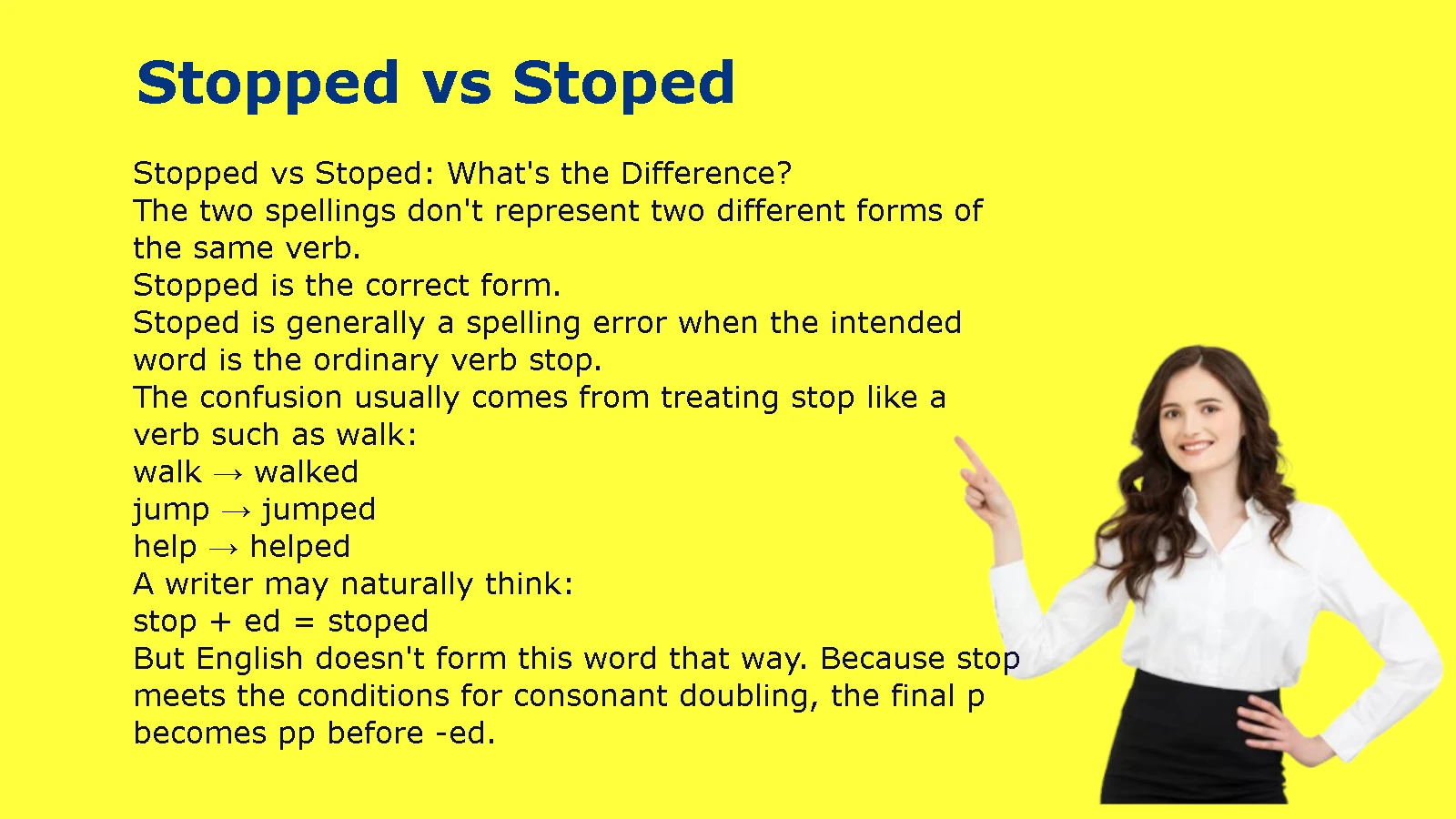
Stopped vs stoped is a common spelling question, especially when you’re unsure whether to double the p before adding -ed. ...
Read more
Permitted vs Permited: Which Spelling Is Correct?
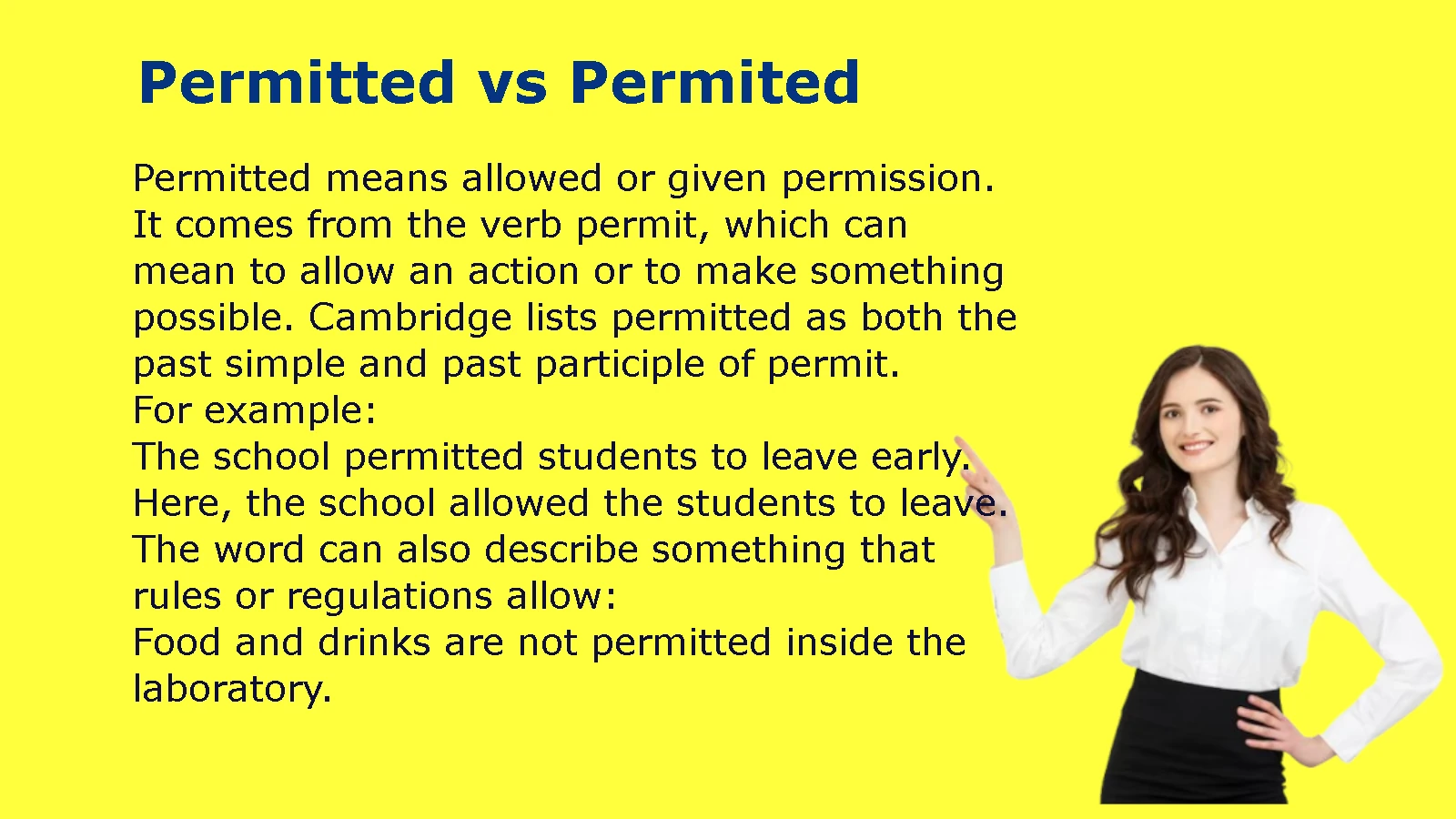
Channelled vs channeled is a common spelling question, especially when you’re writing for an American or British English audience. Both ...
Read more
Dropped vs Droped: Which Spelling Is Correct?
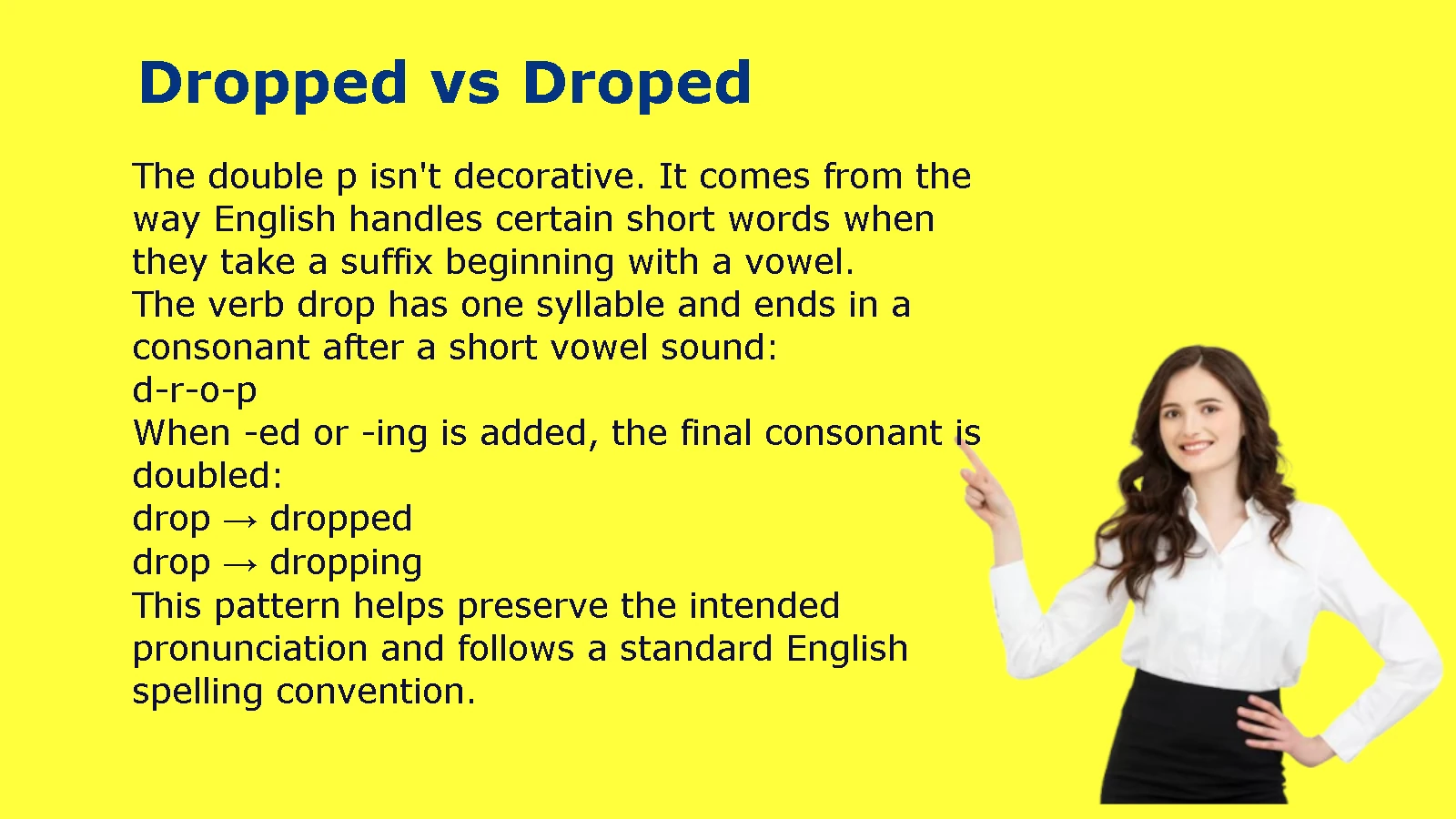
Dropped vs Droped is a common spelling question that comes up when you’re writing in English, especially because the word ...
Read more
Channelled vs Channeled: Meaning, Spelling, and Examples
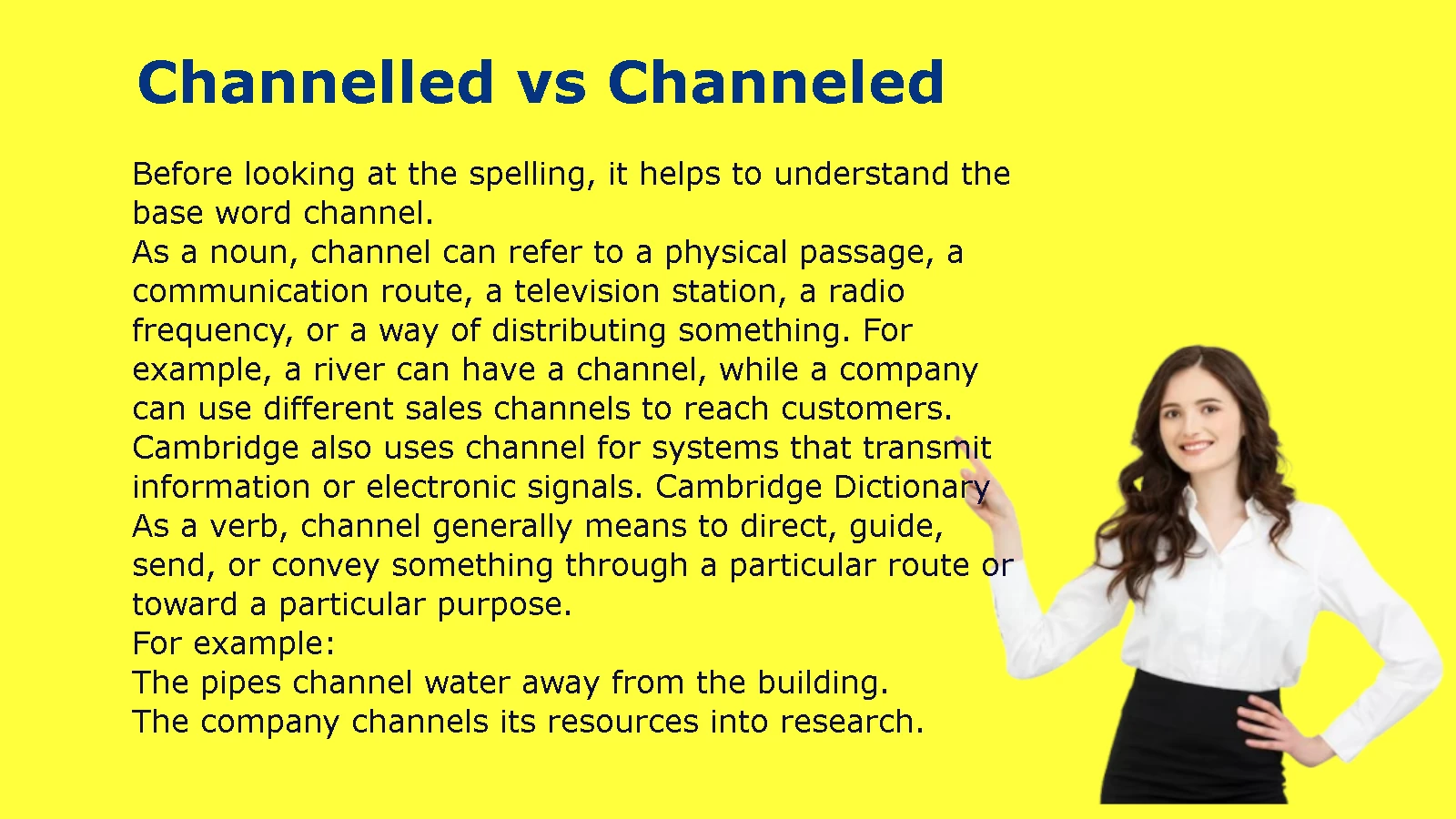
Channelled vs channeled is a common spelling question, especially when you’re writing for an American or British audience. Both forms ...
Read more