Submitted vs Submited: Which Spelling Is Correct?
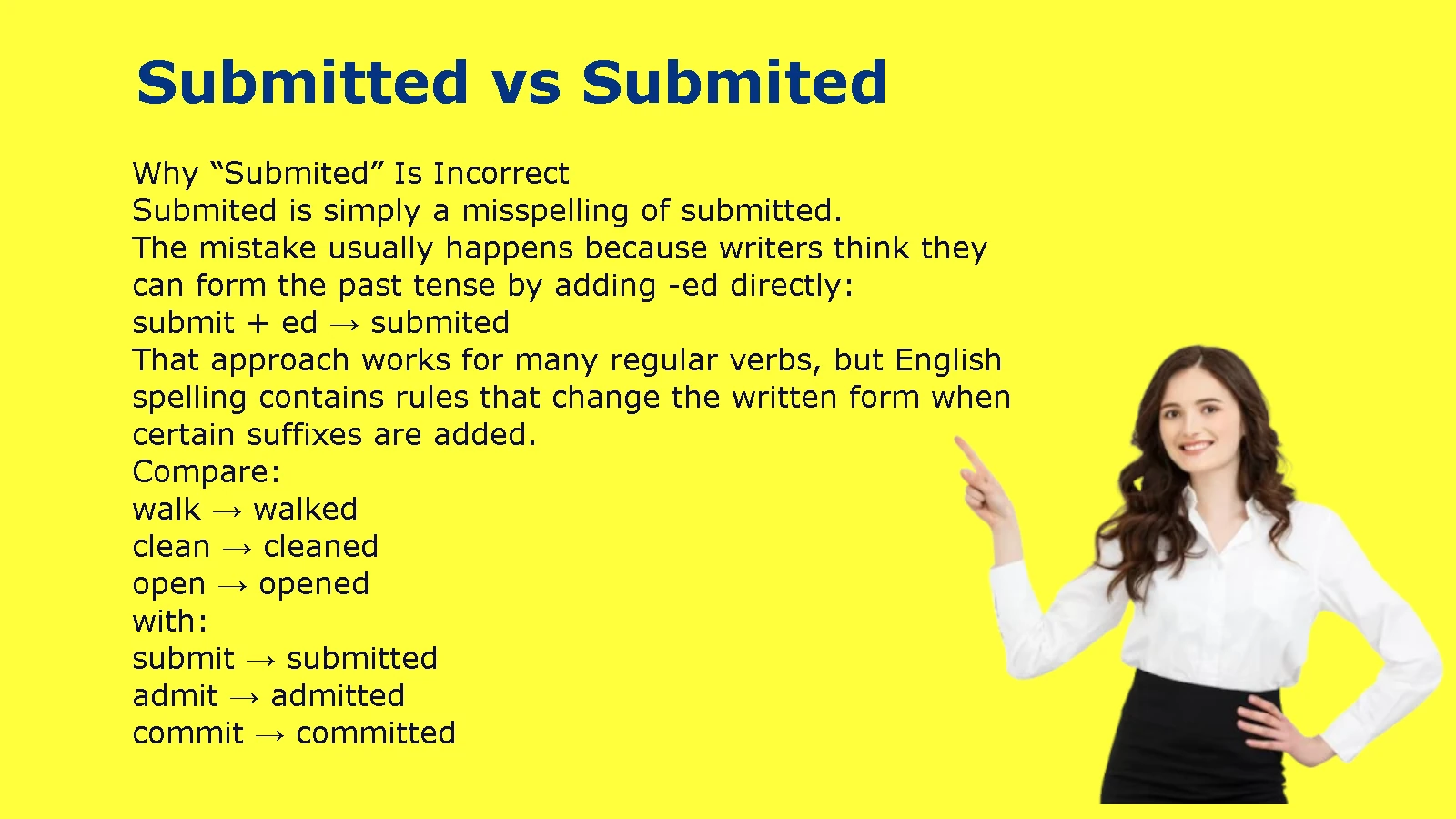
Submitted vs submited is a common spelling confusion, especially when you’re writing quickly or trying to form the past tense ...
Read more
Device vs Devise: What’s the Difference?
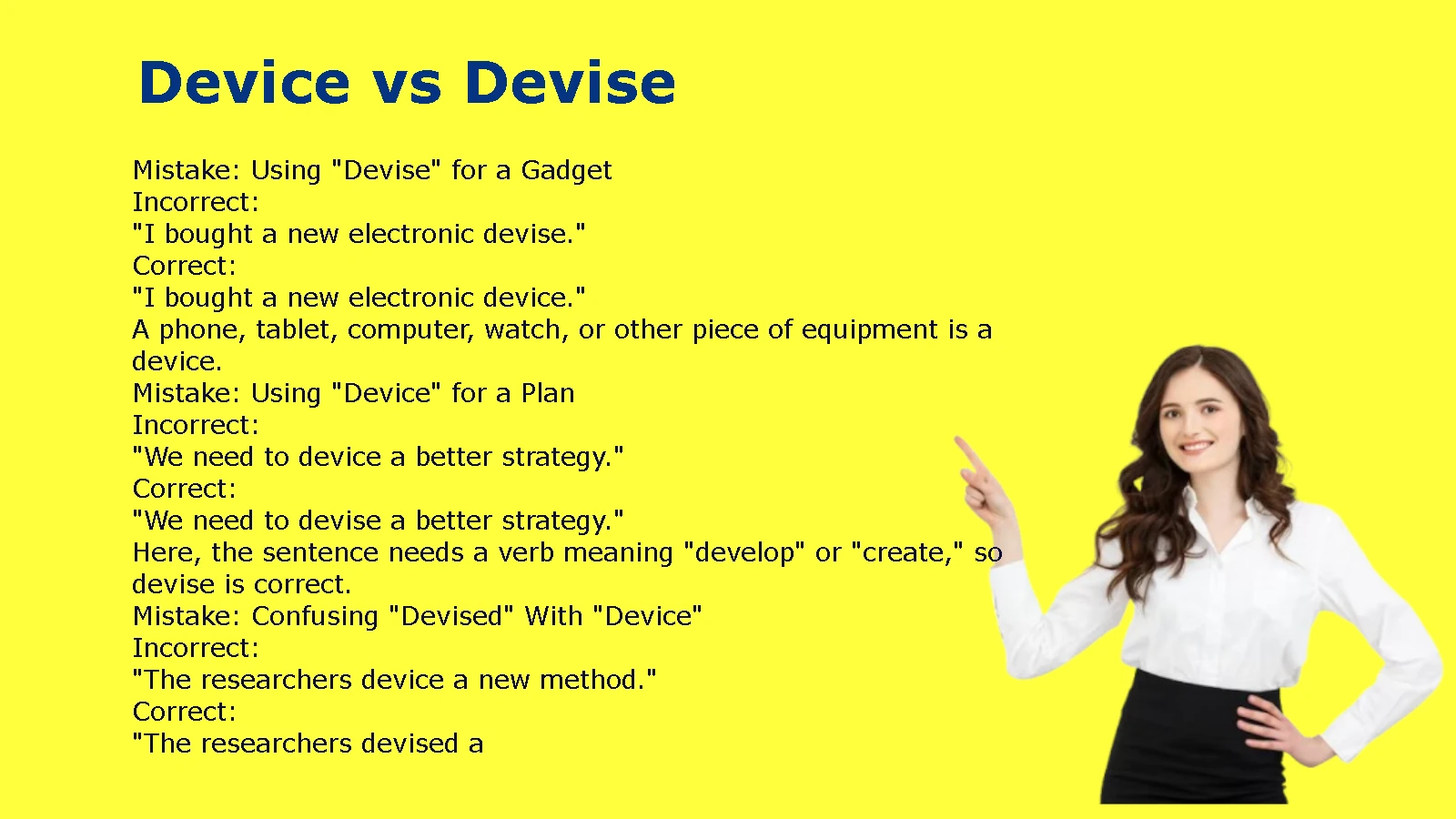
Device vs. devise is a common English word pair that can be confusing because the two words look and sound ...
Read more
Local vs Locale: Meaning, Differences, and Examples
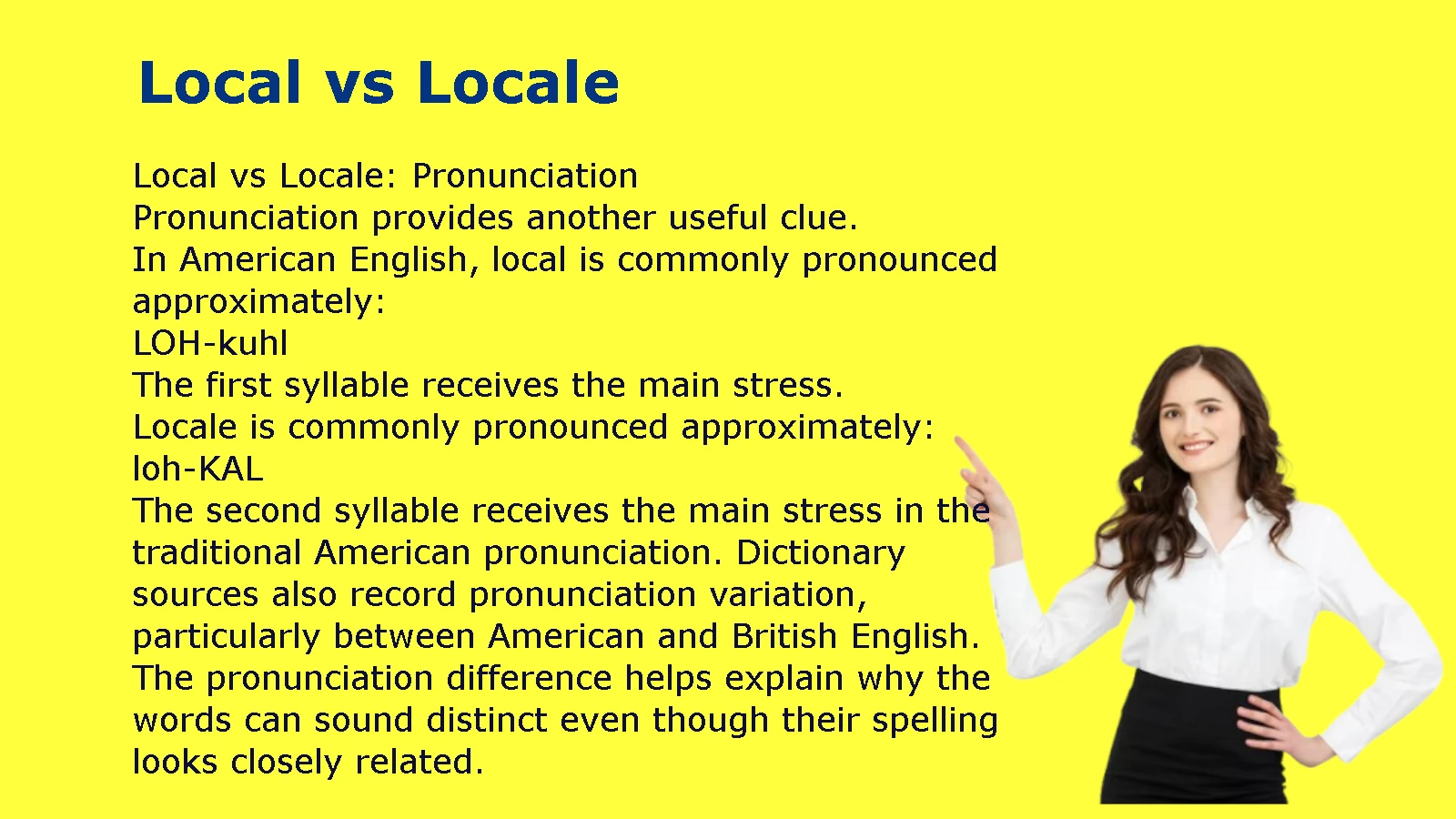
A local and a locale may look and sound similar, but they have different meanings and are used in different ...
Read more
Sell vs Sale: Meaning, Differences, and Examples
Sell vs. sale is a common English word confusion because both terms are closely related to buying, selling, prices, products, ...
Read more
Plotter vs Printer: What’s the Difference?
The plotter vs printer comparison refers to the differences between a plotter and a conventional printer, including how they work, ...
Read more
Spreadsheet vs Worksheet: What’s the Difference?
The spreadsheet vs worksheet distinction refers to the difference between an entire spreadsheet file or document and an individual worksheet ...
Read more
WWE vs WWF: What’s the Difference?
WWE vs WWF refers to the difference between two names used by the same professional wrestling organization at different points ...
Read more
Chain or Chane: Which Spelling Is Correct?
A chain is the correct and standard spelling for a linked series of metal rings, objects connected together, or something ...
Read more
Century or Centuary: Which Spelling Is Correct?
Century or Centuary is a common spelling question that comes up when writing about periods of 100 years, historical eras, ...
Read more
Centrifugal or Centrifical: Which Spelling Is Correct?
Centrifugal is the correct spelling, while centrifical is a common misspelling that can appear when people are unsure about the ...
Read more