Color vs Colour: What’s the Difference?
Color and colour are two spellings of the same word. “Color” is the standard spelling in American English, while “colour” ...
Read more
Luster vs Lustre: What’s the Difference?
Luster and lustre have the same meaning, but they follow different spelling conventions. Luster is the standard American English spelling, ...
Read more
Classic vs Classical: What’s the Difference?
Classic and classical are related words, but they aren’t always interchangeable. Classic usually describes something that is widely admired, enduring, ...
Read more
Adapt vs Adopt: Meaning, Difference, and Examples
Adapt and adopt are often confused because they sound similar, but they have different meanings. Adapt means to change something ...
Read more
Modernize vs Modernise: What’s the Difference?
Modernize vs Modernise both mean to make something more modern, current, or suitable for present-day use. The difference is spelling: ...
Read more
Mold vs Mould: What’s the Difference?
Mold vs mould is a spelling difference that often confuses English learners and writers. The good news is that the ...
Read more
Viruses vs Viri with Explanation and Examples
Viruses and viri are terms used as plural forms of virus, but they aren’t equally common or widely accepted. Viruses ...
Read more
Formulas vs Formulae: Meaning, Difference, and Usage
Have you ever wondered whether you should write “formulas” or “formulae”? Both words are correct, but the choice can depend ...
Read more
Memorandums vs Memoranda: Meaning, Difference, and Usage
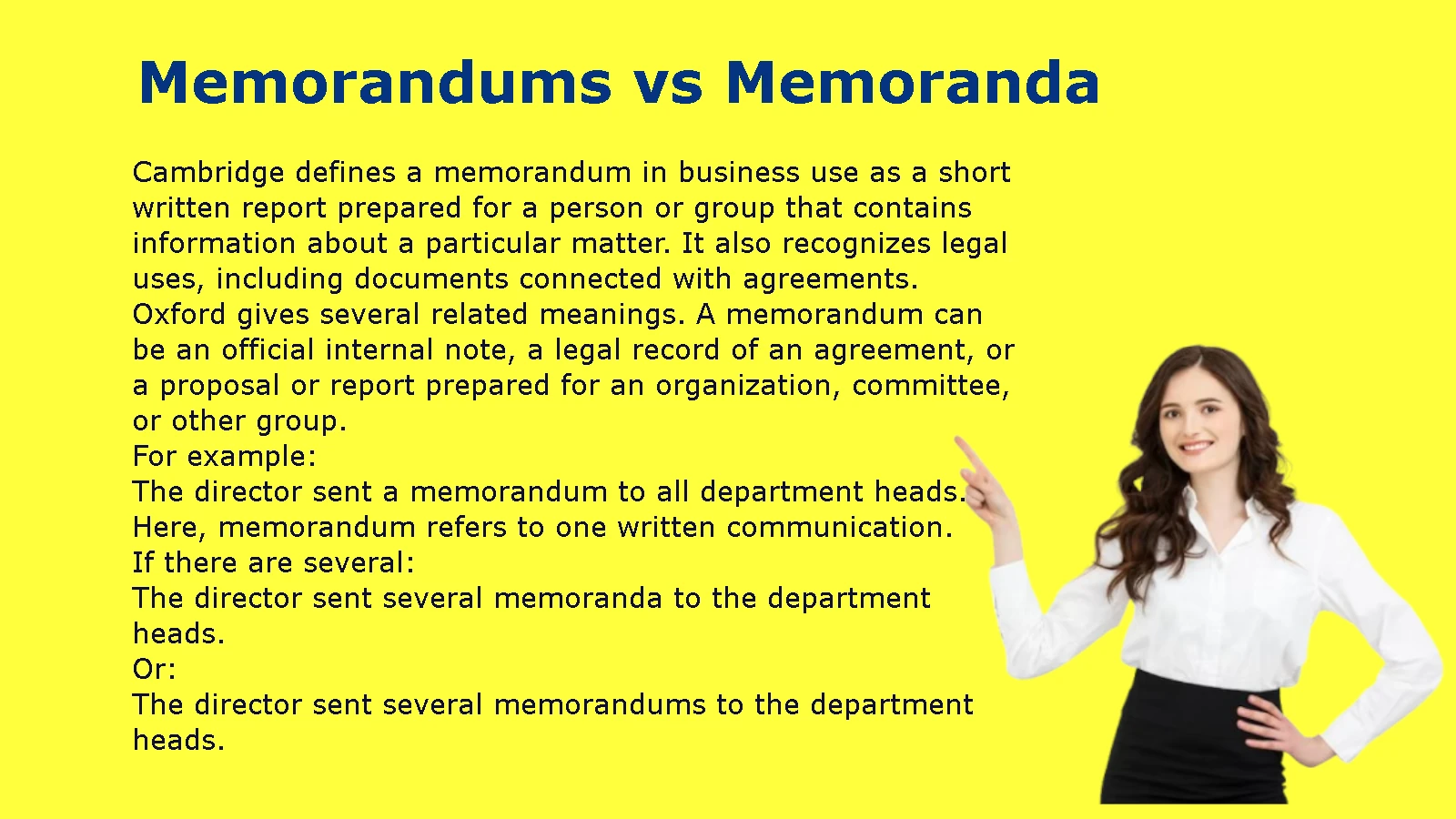
Have you ever written memorandums or memoranda and wondered which form is correct? While both Memorandums vs Memoranda are accepted ...
Read more
Induce Meaning: Definition, Examples, Synonyms, and How to Use It
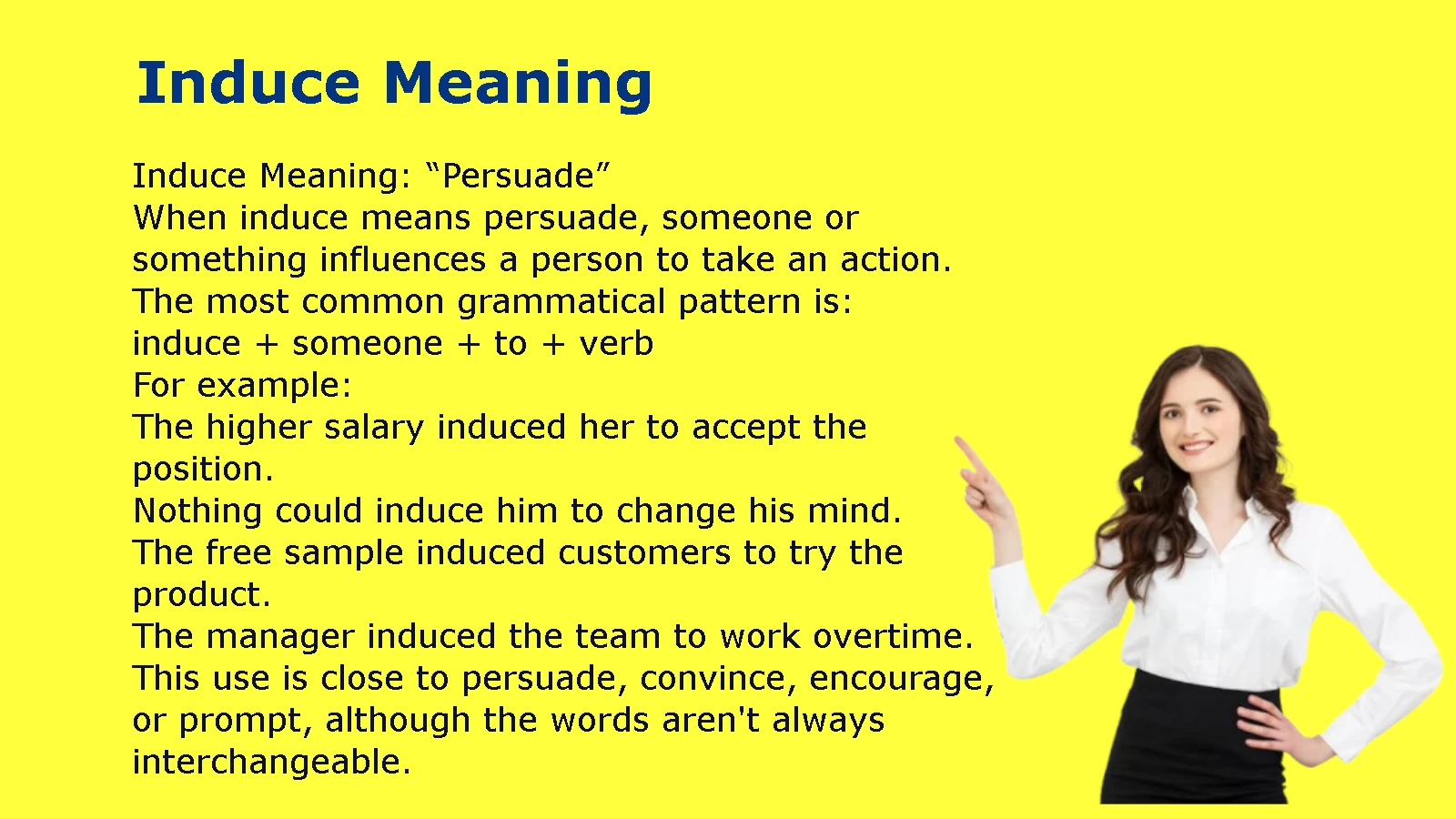
Have you ever heard someone say that something can induce a reaction, feeling, or result and wondered what they really ...
Read more