Which vs Witch Difference Meaning and Usage Explained 2026 Guide
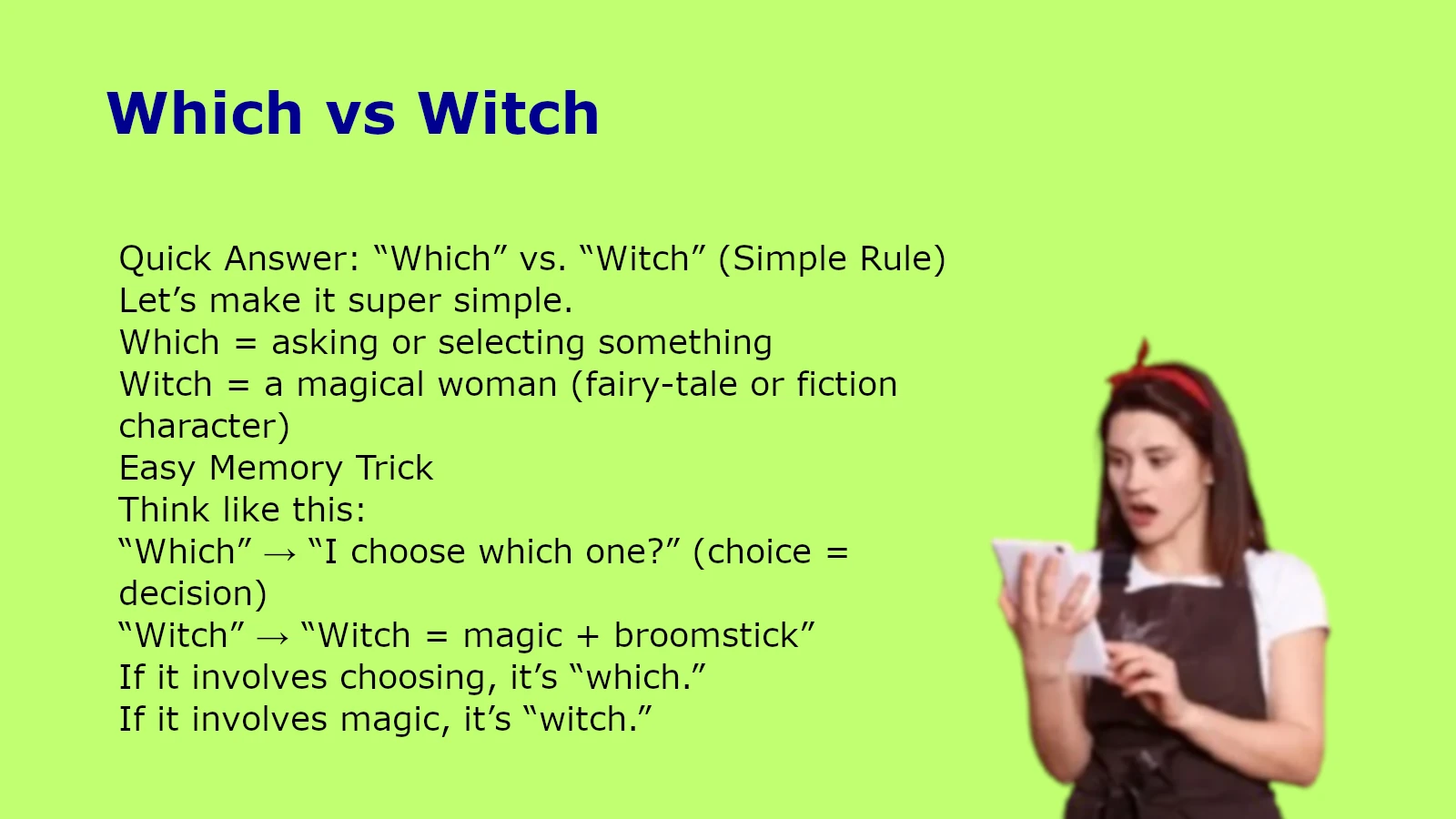
Witch vs Which is one of the most commonly confused word pairs in English, and even confident writers often mix ...
Read more
Cryer vs Crier Difference Meaning and Usage Explained 2026 Guide
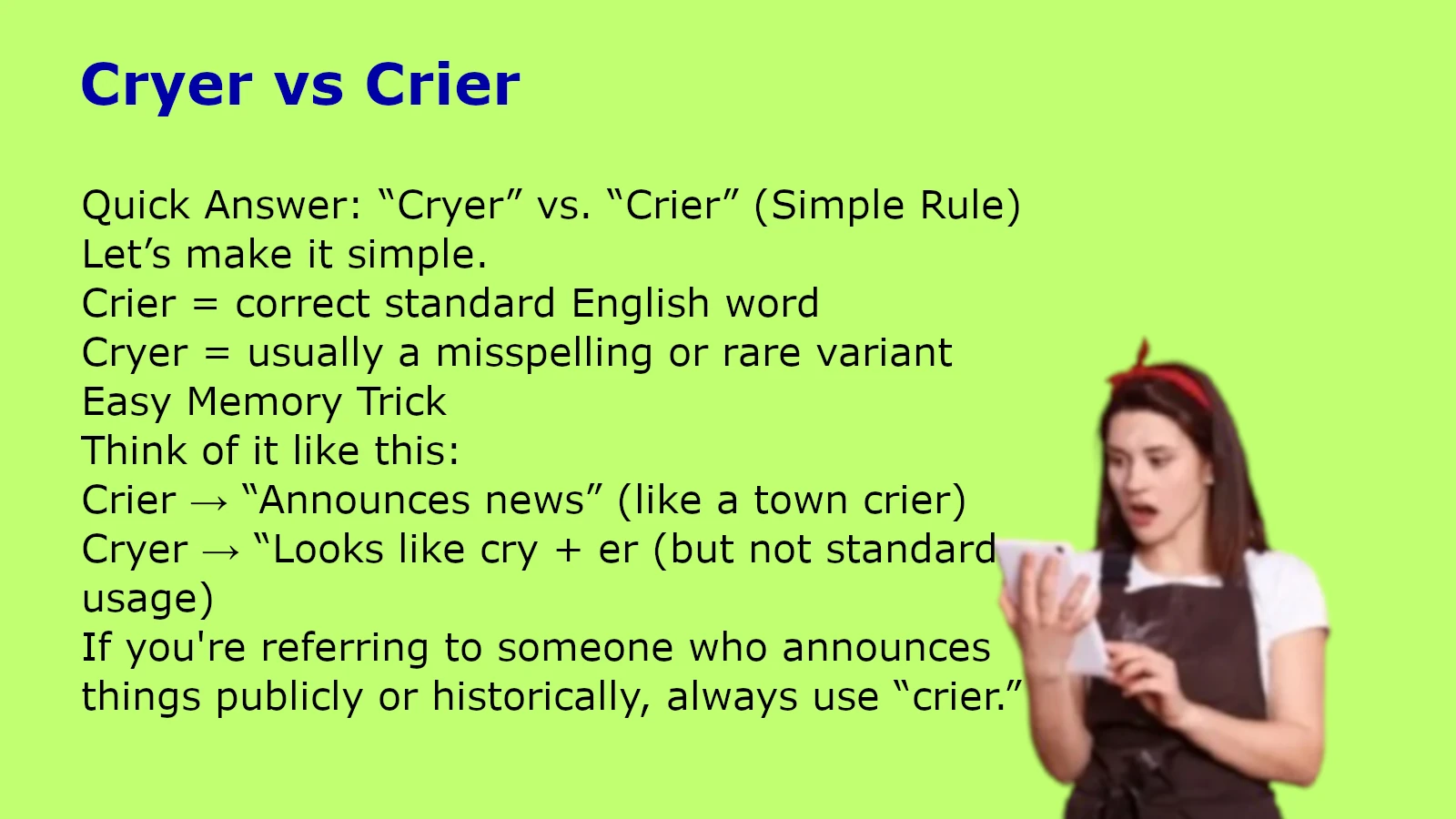
Have you ever paused while writing and wondered: is it Cryer vs Crier? These two words look almost the same, ...
Read more
Arial vs Aerial Difference Meaning and Usage Explained 2026 Guide

Have you ever typed Arial vs Aerial and wondered which word is actually correct? These commonly confused words may sound ...
Read more
E.g. vs I.e. Difference, Meaning, and Proper Usage 2026 Guide
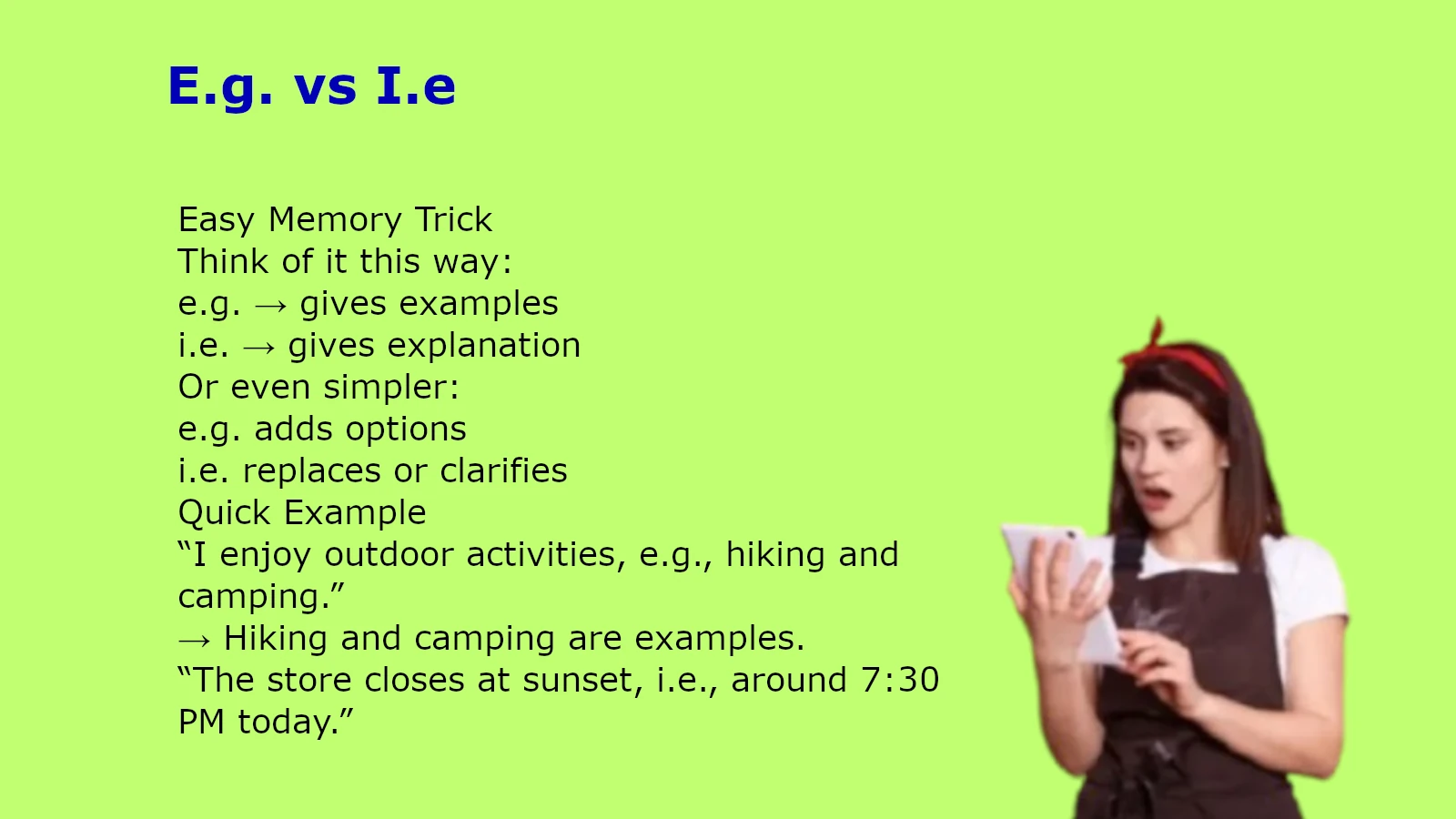
E.g. vs I.e. is one of the most confusing grammar pairings in writing—but have you ever used them in an ...
Read more
Unsecure vs Insecure Difference, Meaning, and Usage 2026 Guide
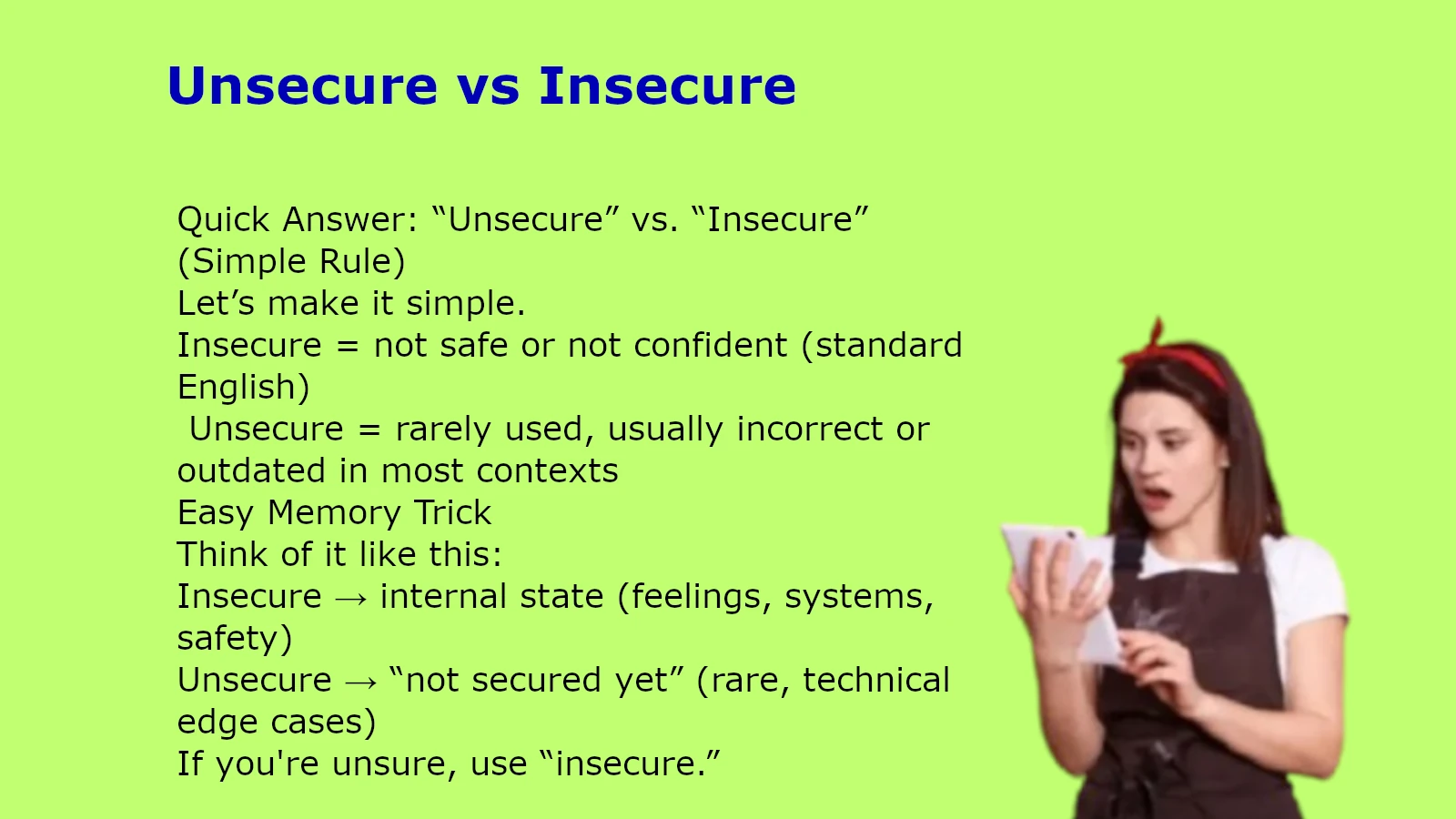
Unsecure vs Insecure is a commonly confused pair of words, but they are not interchangeable—and using the wrong one can ...
Read more
Breath vs Breathe Differences Meaning and Examples 2026 Guide
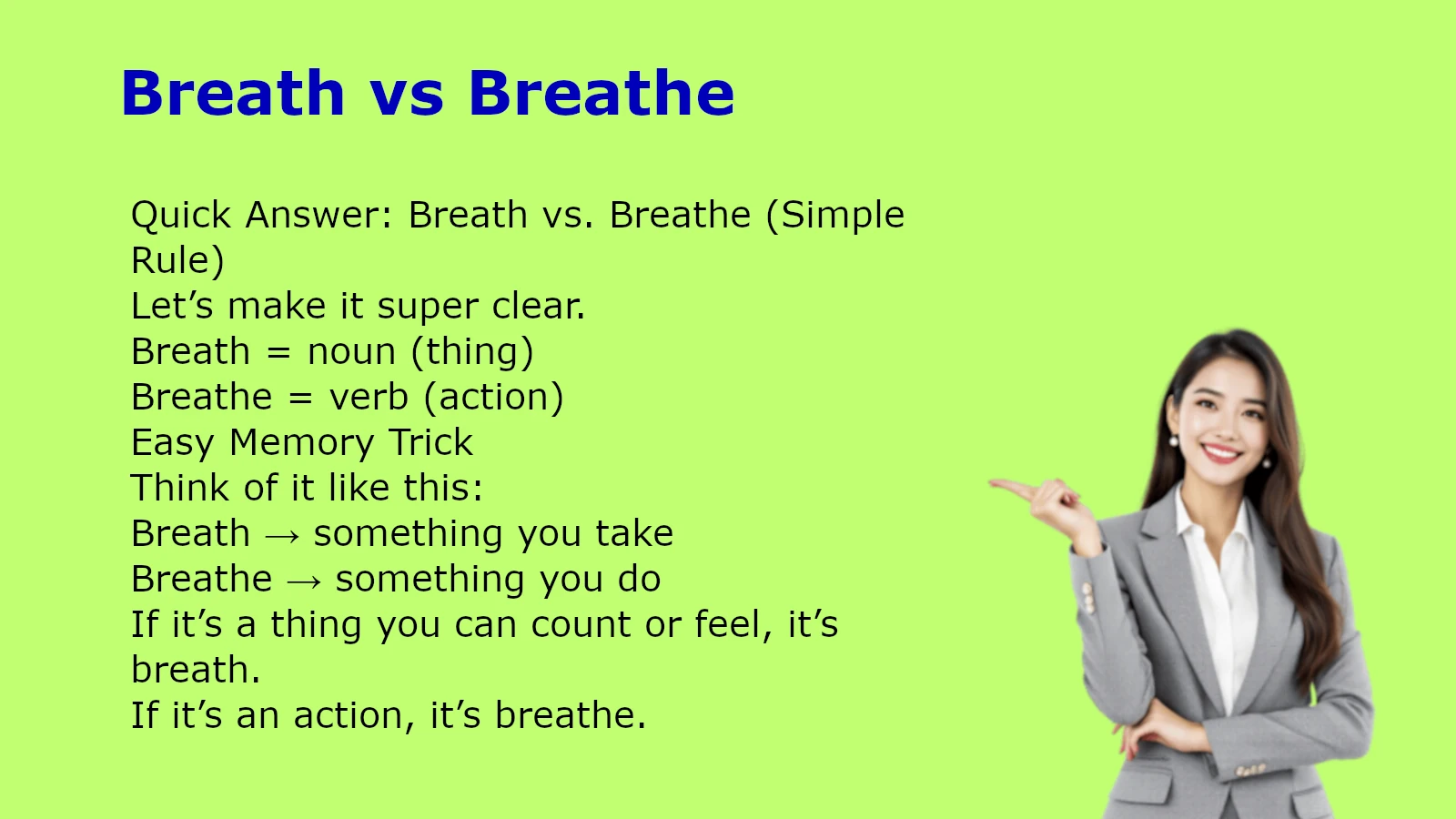
You’ve probably seen both words a thousand times: breath and breathe. They look almost identical, so it’s no surprise people ...
Read more
Insight vs Incite Differences Meaning and Examples 2026 Guide
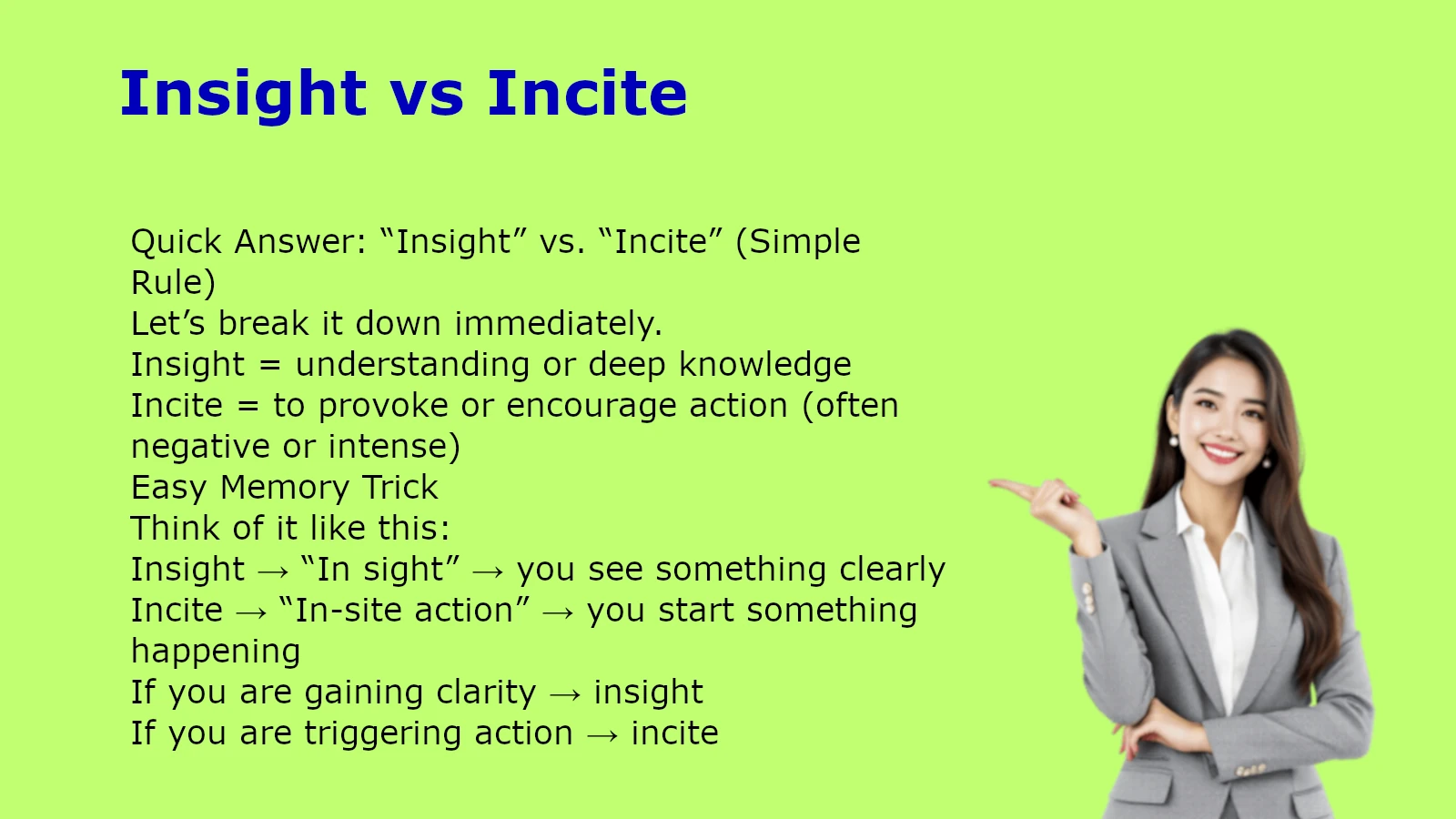
Insight vs Incite is a clear example of how language can easily confuse readers when words look similar but carry ...
Read more
Rime vs. Rhyme: The Ultimate No-Confusion Guide (With Real Examples)
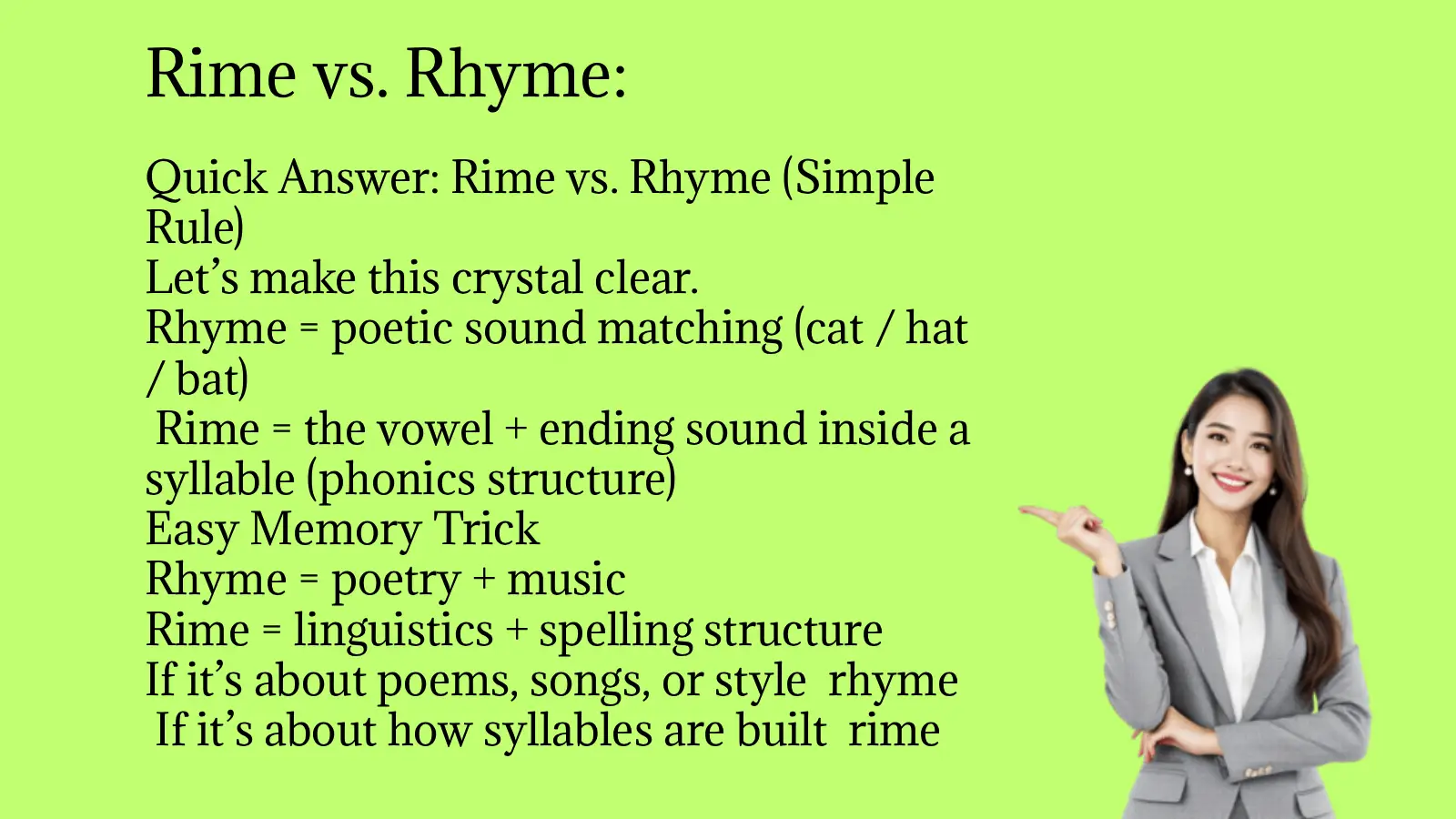
In Rime vs. Rhyme, ideas from Edward Finegan, Steven Pinker, Language: Its Structure and Use, and The Language Instinct show ...
Read more
Gaudy vs. Gawdy: The Ultimate No-Confusion Guide (With Real Examples)
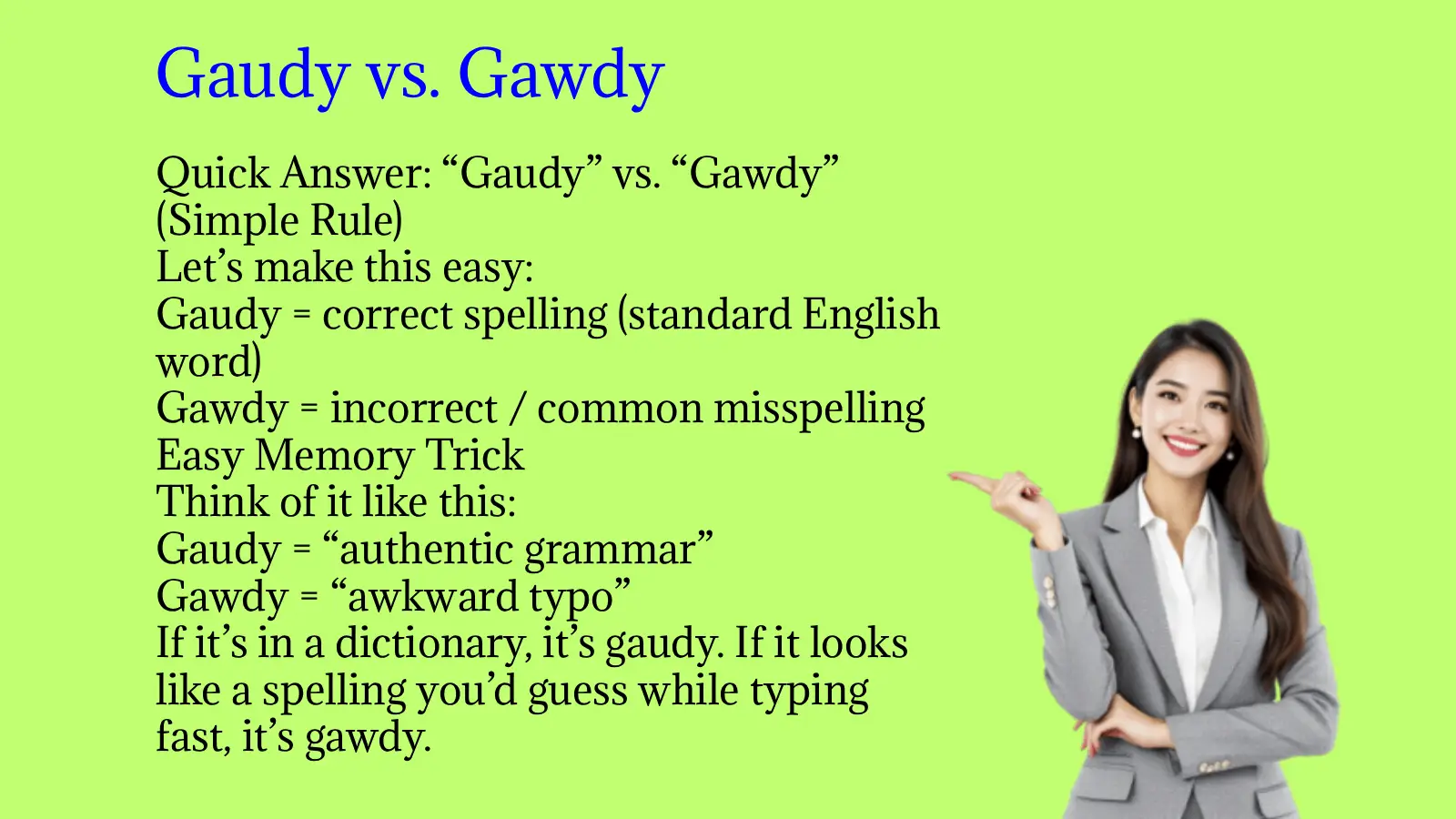
In Gaudy vs. Gawdy, the confusion often begins when people encounter two similar-looking words that sound almost identical but carry ...
Read more
Ardor or Ardour: What’s the Difference? (And Which Spelling Should You Use?)
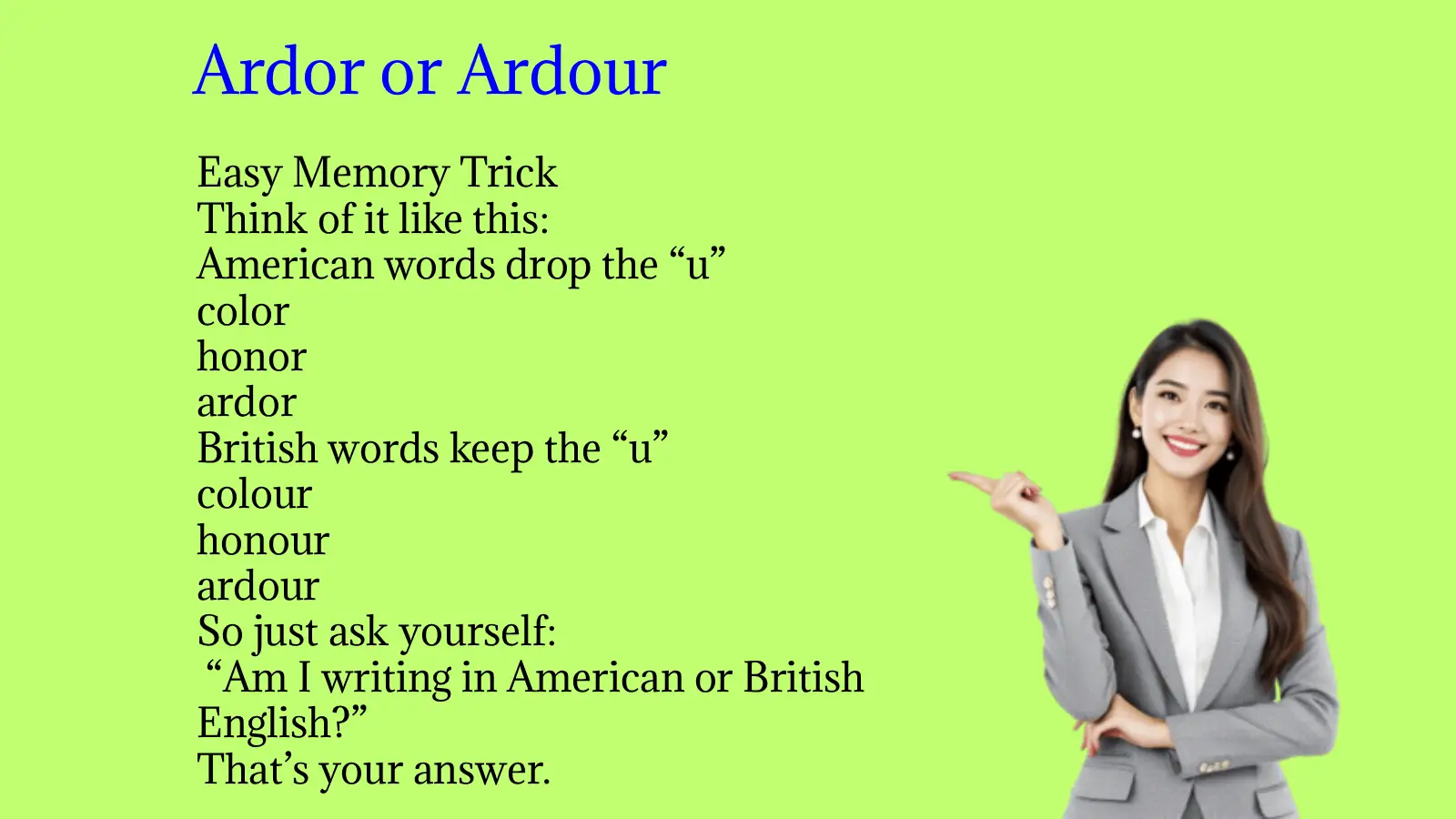
Ardor or Ardour is a clear example of how Ardor and Ardour represent the same word but change based on ...
Read more












