Harmonize vs Harmonise: What’s the Difference?
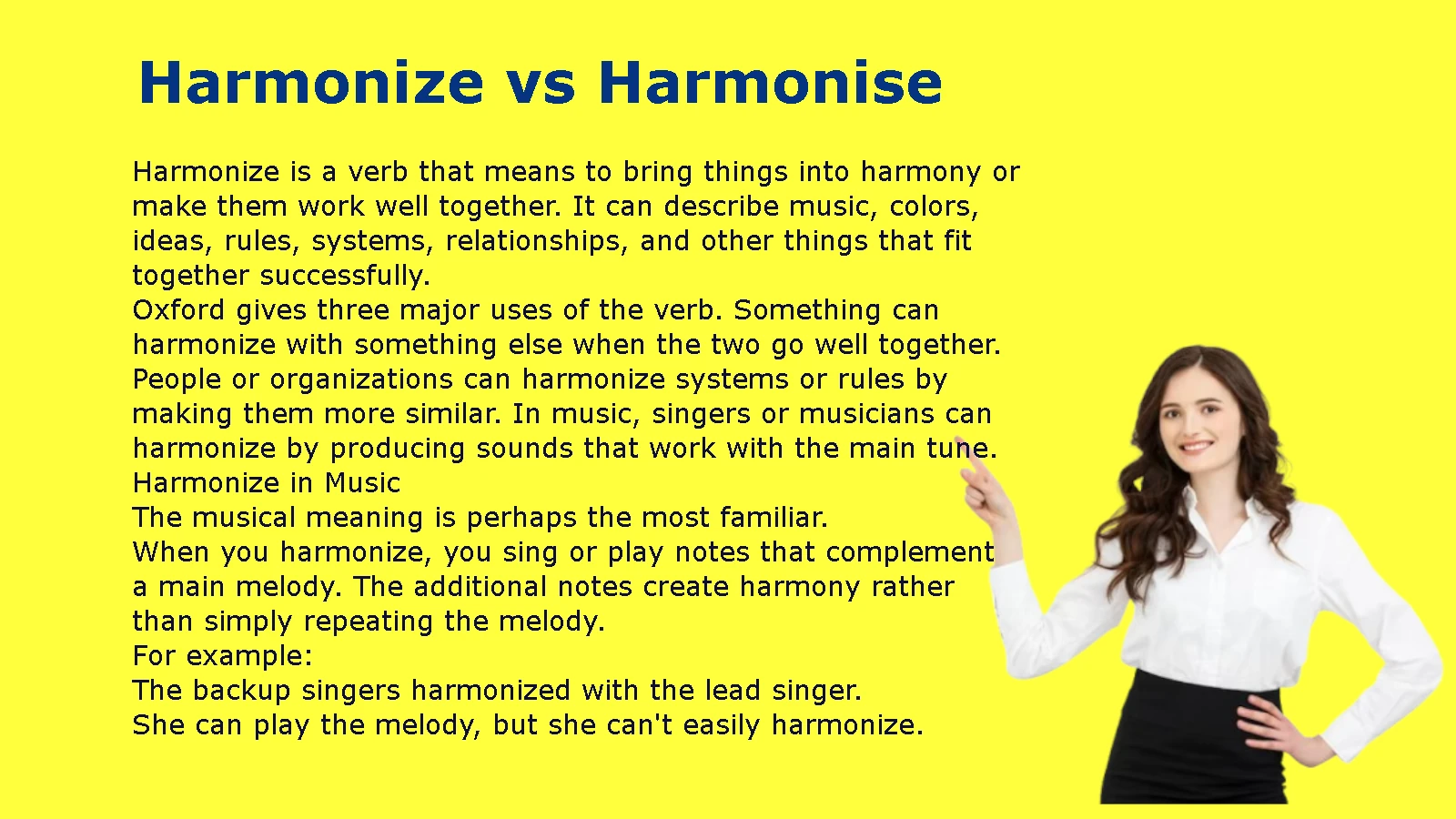
When talking about bringing people, ideas, sounds, or things into agreement or balance, you may come across both harmonize and ...
Read more
Minimize vs Minimise: Which Spelling Is Correct?
When writing about reducing something to the lowest possible level, you may wonder whether to use minimize or minimise. The ...
Read more
Canceled vs Cancelled: Which Spelling Is Correct?
Canceled and cancelled are both correct spellings of the past tense and past participle of “cancel.” The main difference is ...
Read more
Incompetence or Incompetents: Meaning, Difference & Usage
Incompetence is the correct word when you mean a lack of ability, skill, or knowledge. Incompetents is the plural noun ...
Read more
Authentic vs Original: What’s the Difference?
Authentic and original can both describe something genuine, but they focus on different ideas. Authentic means real, genuine, or true ...
Read more
Rigor vs Rigour: Meaning, Difference, and Usage
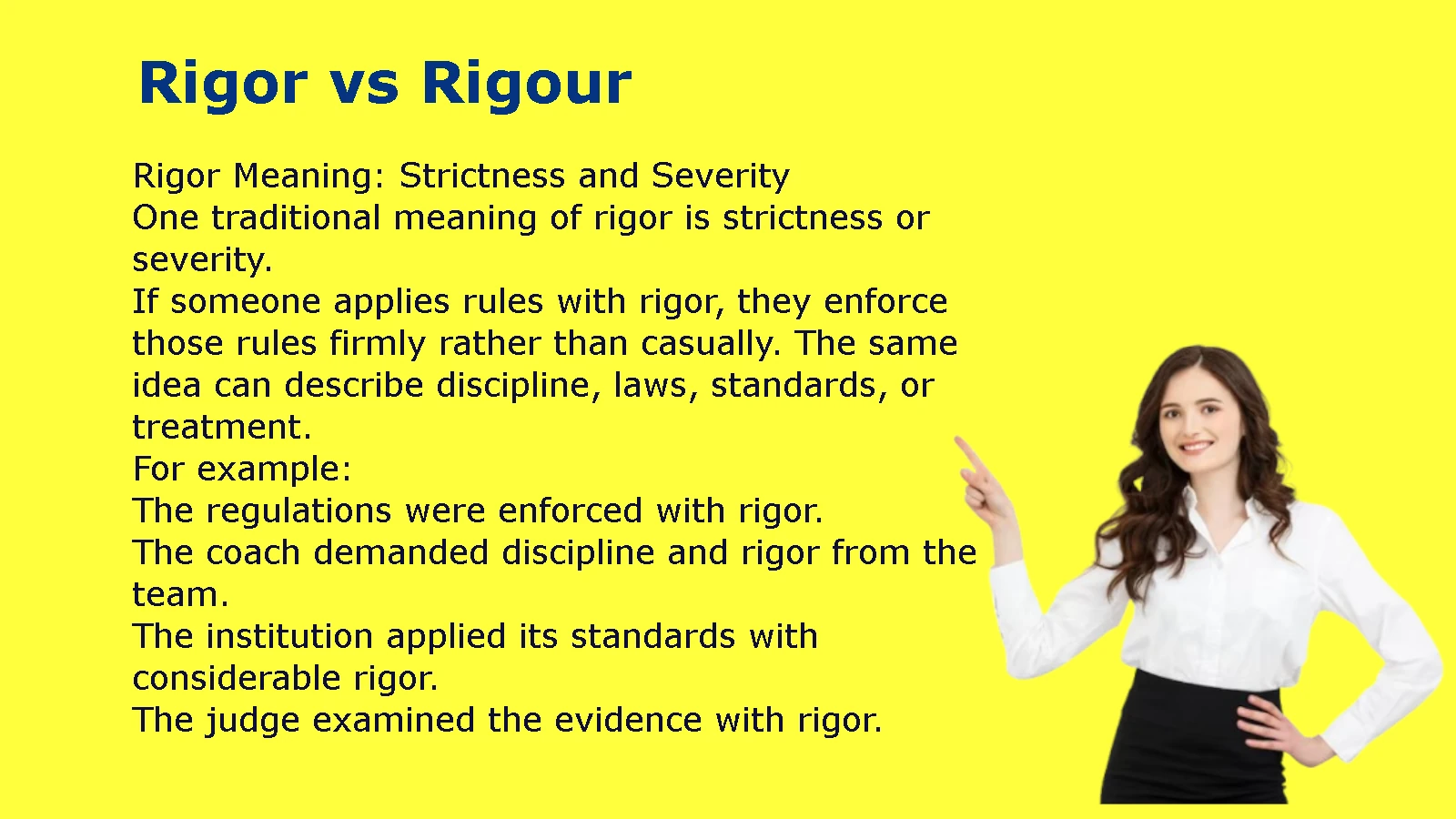
Rigor and rigour have the same meaning: they describe strictness, thoroughness, or careful attention to detail. The only difference is ...
Read more
Eminent vs Imminent: Meaning, Difference, and Examples
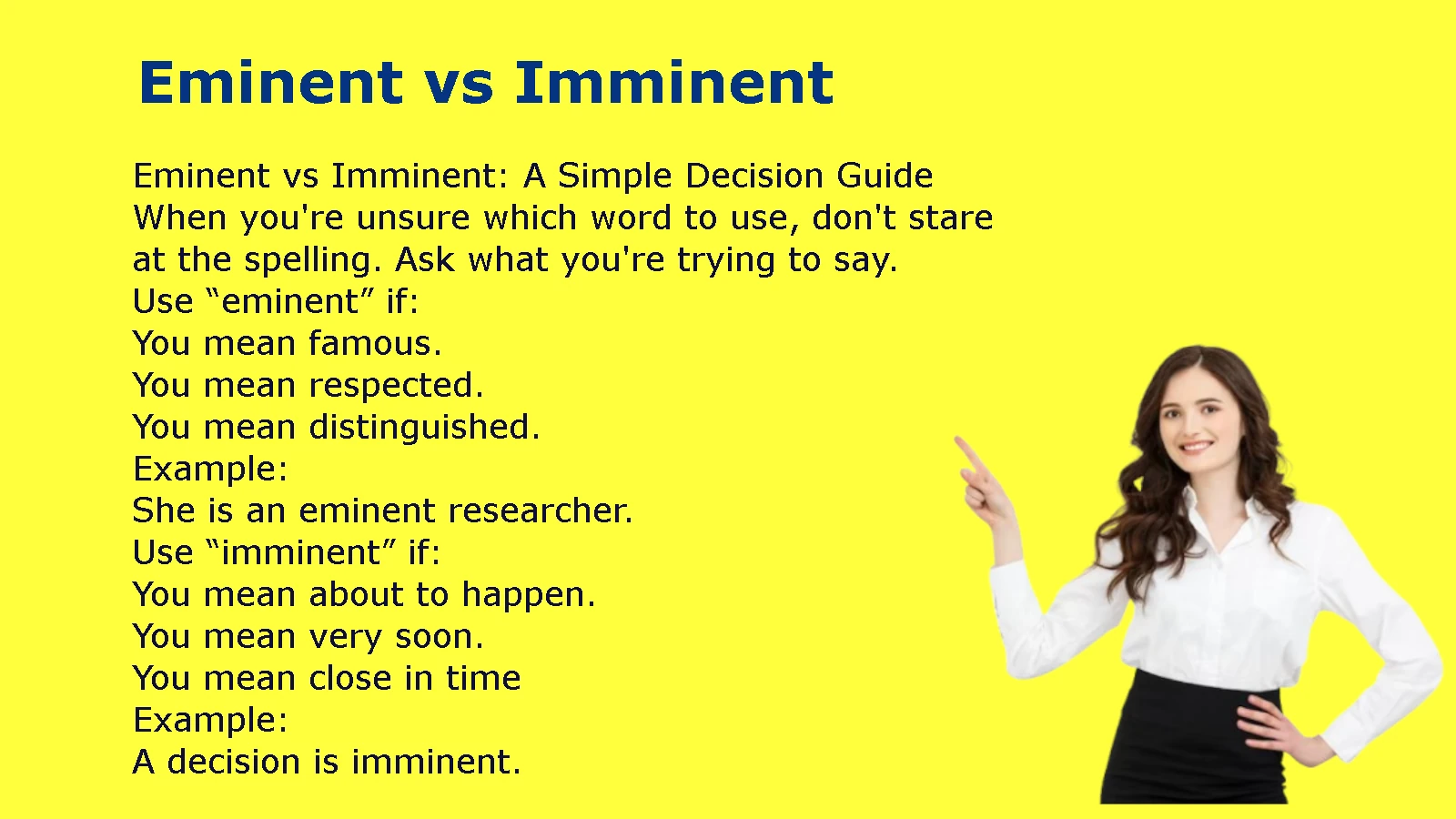
Eminent and imminent are commonly confused because they look and sound similar, but they have completely different meanings. Eminent means ...
Read more
Assure vs Ensure: What’s the Difference?
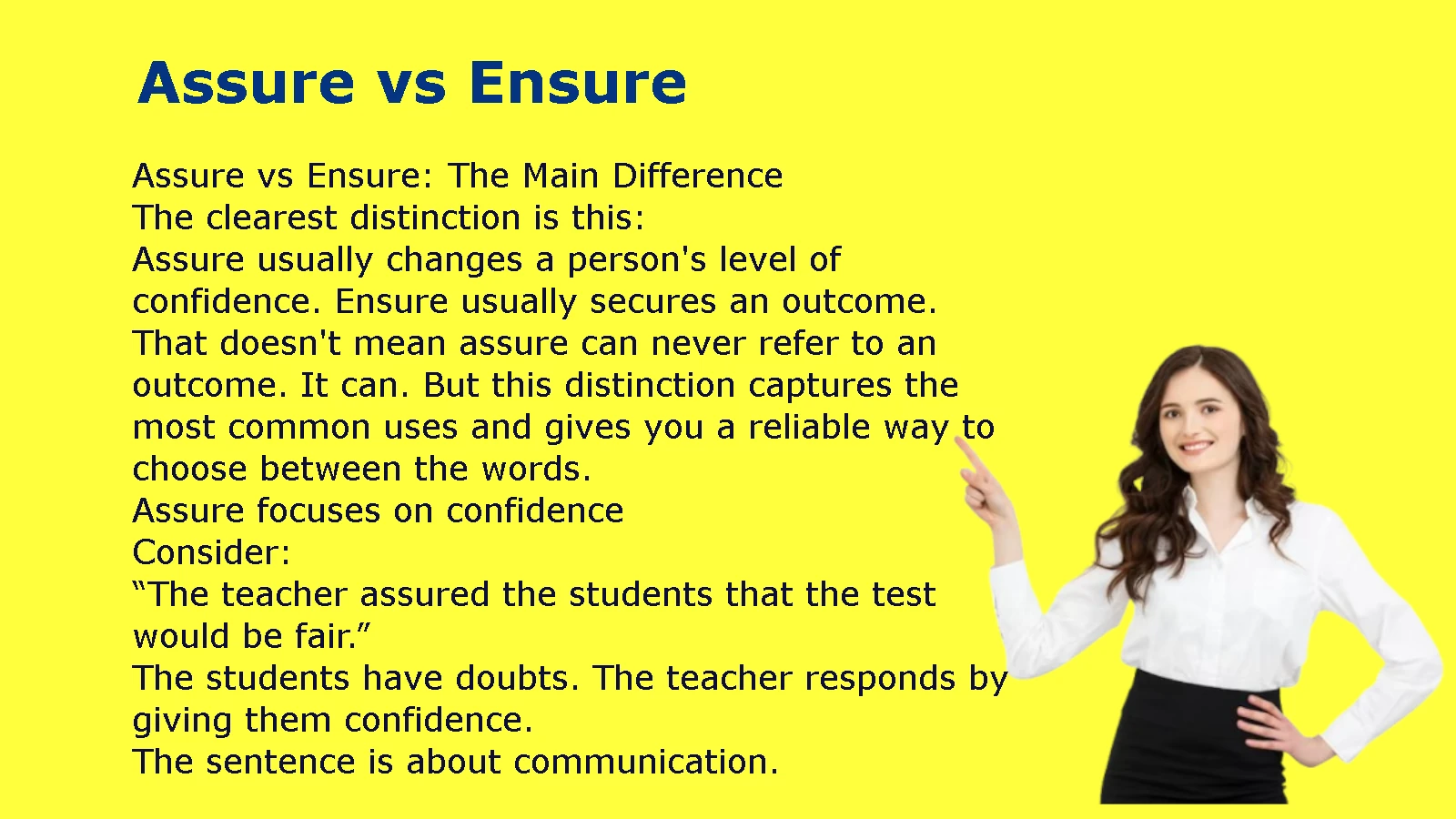
Assure and ensure are both verbs related to making something certain, but they’re used in different ways. Assure usually means ...
Read more
Plow vs Plough: What’s the Difference and Which Is Correct?
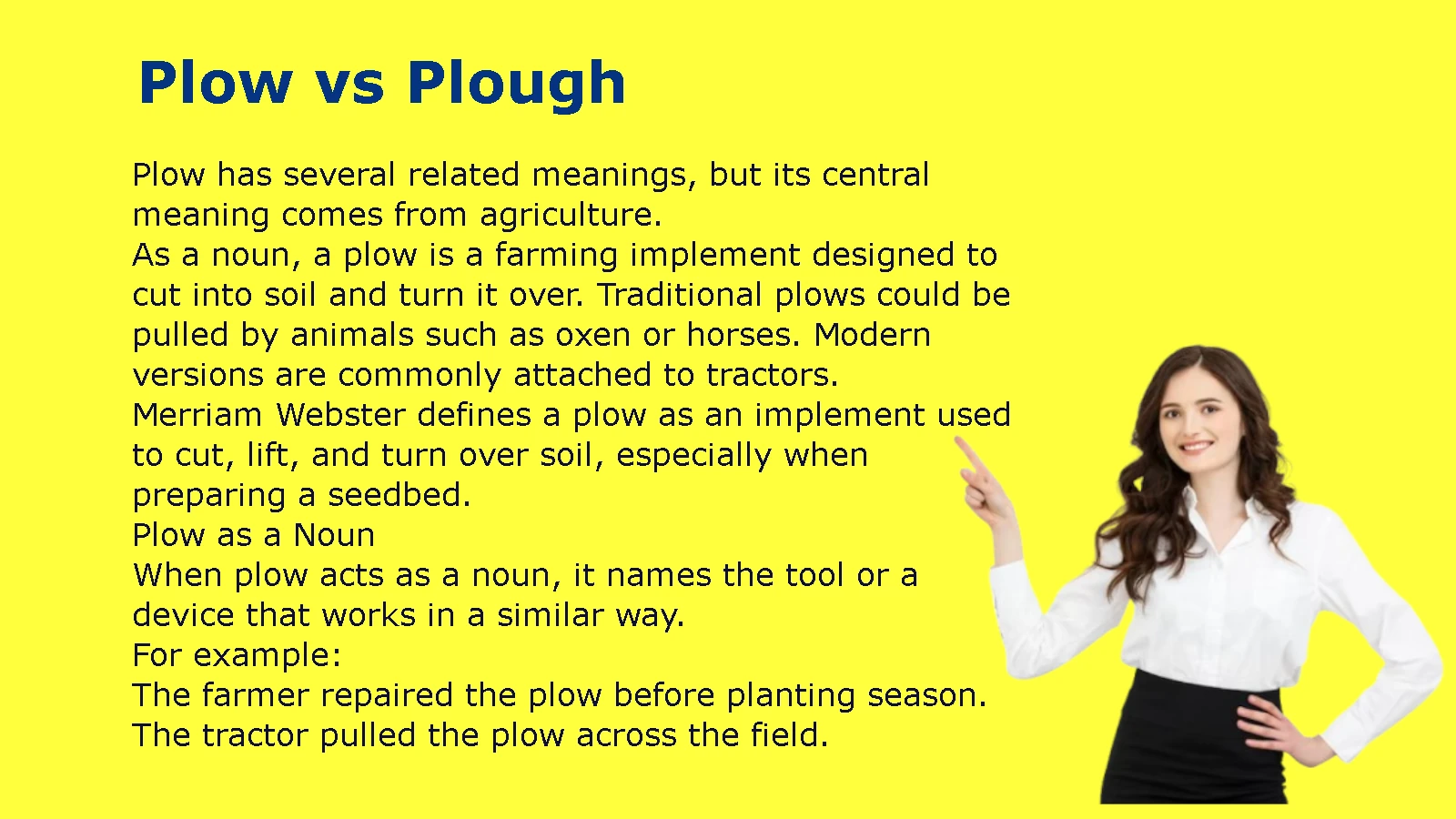
Plow vs plough is a classic American and British English spelling difference. If you’ve seen both forms and wondered whether ...
Read more
Phenomenon vs Phenomena: What’s the Difference?
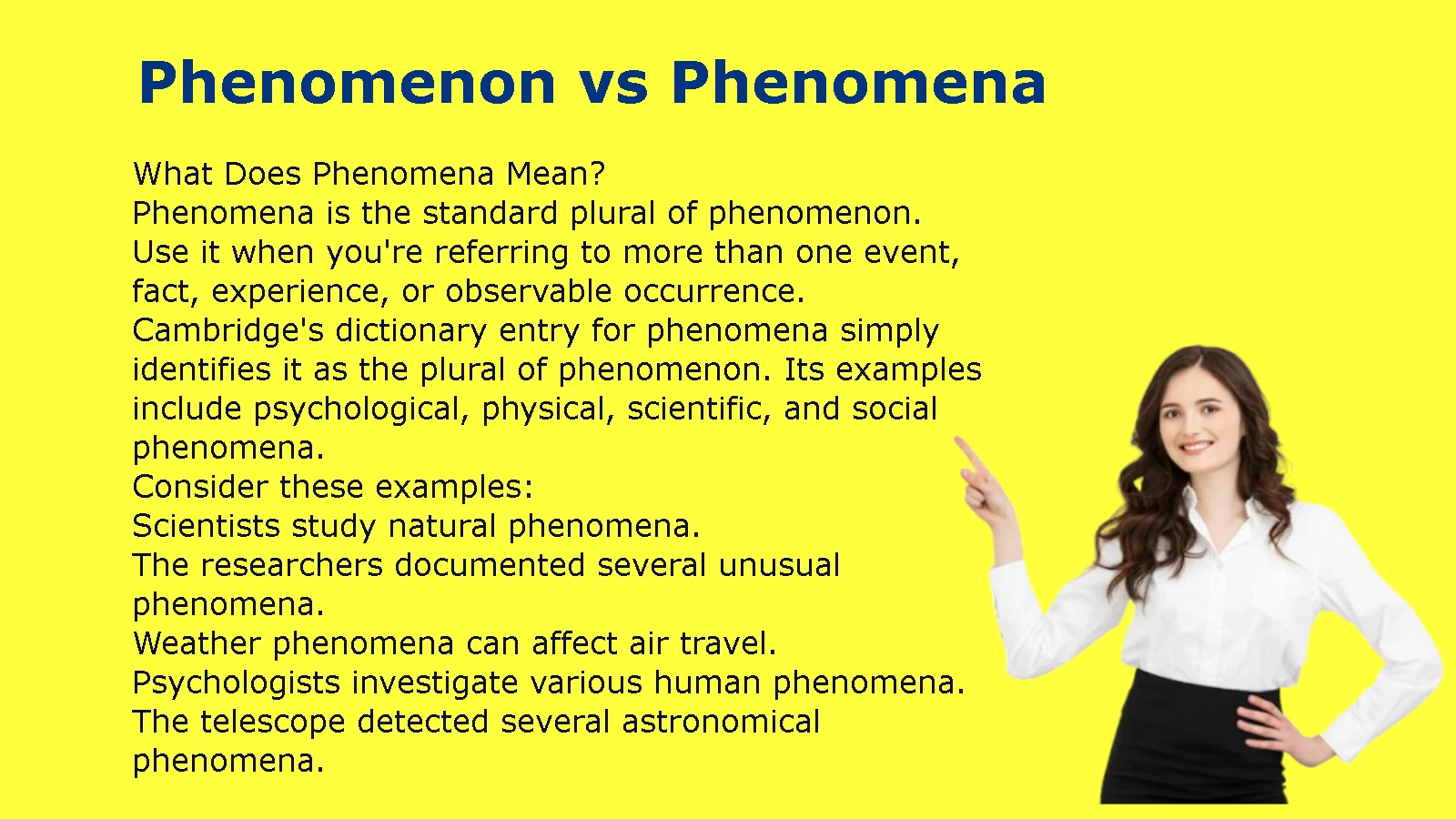
Have you ever wondered whether you should say “phenomenon” or “phenomena” when talking about something unusual or remarkable? While Phenomenon ...
Read more