Have you ever come across the words wane and wain and wondered which one is correct? While Wane or Wain may look and sound similar, these two words have completely different meanings and uses. Choosing the right one depends on the context and what you want to say.
Wane is a verb that means to decrease, weaken, or become less strong. It can also describe the moon as it appears to get smaller after a full moon. Wain, on the other hand, is a much less common word that traditionally means a wagon or cart used for carrying goods.
Examples:
- Her interest in the project began to wane.
- The farmer loaded the hay onto the wain.
The confusion is understandable. People often search for wane or wain, wane vs wain, wain meaning, wane meaning, or is it wane or wain because the words sound alike but have very different meanings. And here’s the tricky part: wane is common in modern English, while wain is mostly found in historical, literary, or traditional contexts.
In this guide, you’ll learn the complete difference between wane and wain, including their meanings, definitions, pronunciation, parts of speech, correct usage, and examples in sentences. You’ll also discover when to use wane or wain, how to remember the difference, and why these two easily confused words are not interchangeable.
Wane or Wain: Quick Answer
The correct word depends entirely on what you mean.
| Word | Meaning | Part of Speech | Common Today? | Example |
| wane | To become weaker, smaller, less powerful, or less important | Verb; also noun in certain uses | Yes | Her enthusiasm began to wane. |
| wain | An old term for a wagon or cart | Noun | Rare, old-fashioned | The farmer loaded the wain. |
Wane is the word you’ll almost always need in modern writing when you mean decline, weaken, fade, or become less important. Oxford defines the verb as becoming “gradually weaker or less important,” while Cambridge similarly defines it as becoming weaker in strength or influence.
Wain has a much narrower meaning. Cambridge labels it old use and defines it as a type of cart, particularly a vehicle used for carrying goods.
The simplest way to choose
Ask yourself:
- Is something decreasing or becoming weaker? → wane
- Are you talking about an old wagon or cart? → wain
For example:
- “Public interest began to wane.” ✅
- “The old farmer loaded the wain.” ✅
- “Public interest began to wain.” ❌
- “The old farmer loaded the wane.” ❌
The words may sound alike, but they aren’t interchangeable.
What Does Wane Mean?
Wane means to gradually become weaker, less powerful, less intense, less important, or less popular.
It often describes a process rather than an instant change. Something doesn’t simply vanish overnight. Instead, its strength or influence slowly fades.
For example:
Her interest in the project began to wane.
This sentence tells you that she didn’t suddenly lose all interest. Her enthusiasm gradually became weaker.
Oxford lists wane as an intransitive verb and gives examples involving enthusiasm, popularity, and demand. Cambridge likewise uses it for weakening strength or influence.
Wane as a Verb
The most common modern use of wane is as a verb.
You can use it when something gradually loses:
- Strength
- Influence
- Popularity
- Interest
- Enthusiasm
- Power
- Importance
- Demand
- Intensity
- Support
Consider these examples:
- Her excitement began to wane after the event was postponed.
- Public support for the proposal is waning.
- The singer’s popularity gradually waned.
- His influence began to wane after several years away from the industry.
- Demand for the product has waned.
- Their enthusiasm for the project started to wane.
Notice the pattern. In each case, something that once had a certain level of strength or importance is becoming less strong.
That’s the heart of wane.
Wane Does Not Usually Mean a Sudden Drop
One useful detail separates wane from words such as collapse or disappear.
Wane suggests gradual decline.
If a company’s sales suddenly fall by 80 percent in one month, saying its sales waned might not capture the speed or severity of the change. However, if sales steadily decline over several years, wane fits much better.
Compare:
- Sudden: The company’s sales collapsed after the scandal.
- Gradual: The company’s popularity waned over the following decade.
The second sentence has a slow fading quality. That’s exactly where wane shines.
What Does Wane Mean When Talking About the Moon?
One of the most familiar uses of wane appears in astronomy.
After a full moon, the visible illuminated portion gradually becomes smaller. The moon is then said to wane.
Cambridge explains that the moon wanes when it gradually appears less and less round after the full moon. Oxford gives essentially the same distinction and identifies wax as its opposite in this context.
Wax vs. Wane
The traditional pair is:
- Wax = increase
- Wane = decrease
When the moon appears to grow toward a full moon, it waxes.
After the full moon, when the visible illuminated portion appears to shrink, it wanes.
You can think of the lunar cycle as a rise and fall:
New Moon → Waxing → Full Moon → Waning → New Moon
This connection explains the common expression “wax and wane.”
For example:
The moon waxes and wanes throughout its cycle.
The expression later developed a broader figurative meaning. Something can wax and wane when it repeatedly becomes stronger and weaker.
What Does Wane Mean in “On the Wane”?
You may encounter wane more often in the phrase “on the wane” than as a standalone noun.
On the wane means becoming weaker, less important, less popular, or less common.
Oxford gives the example of popularity being “on the wane,” while Cambridge defines the expression as becoming less strong, powerful, or popular.
Examples include:
- Traditional practices are on the wane.
- Interest in the trend is on the wane.
- His influence appears to be on the wane.
- Public support for the policy is on the wane.
- The old tradition is slowly on the wane.
The phrase often has a slightly formal or literary feel. In casual conversation, you might simply say something is declining, fading, or becoming less popular.
What Does Wain Mean?
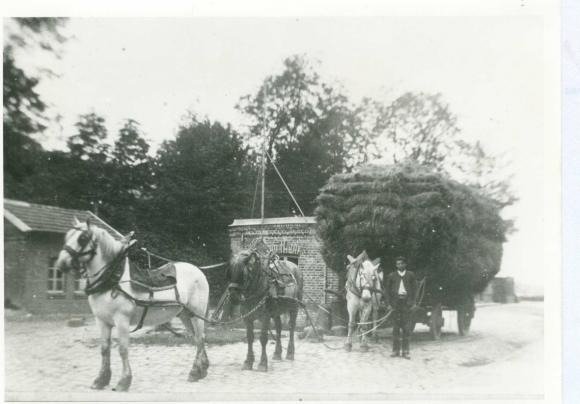
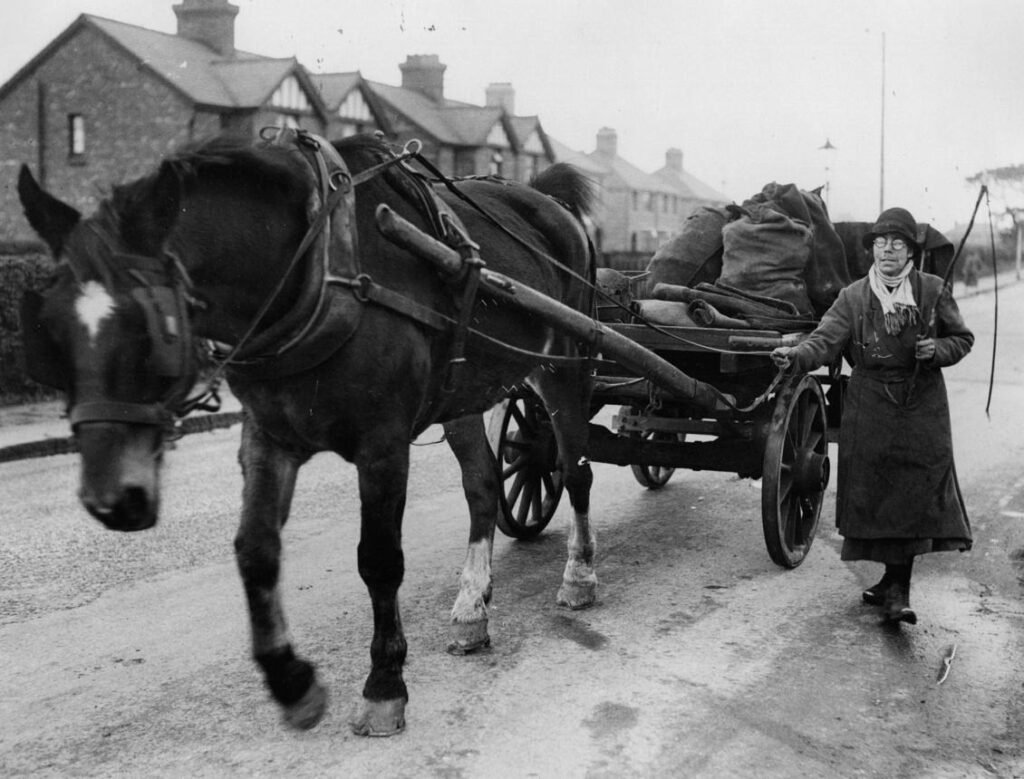
Wain is an old word for a wagon or cart, particularly one used for carrying goods.
Unlike wane, it isn’t a common word in modern everyday American English. Cambridge explicitly labels it old use and defines it as a type of cart or vehicle pulled by a horse and used to carry goods.
For example:
The farmer loaded the wain with hay.
The sentence sounds old-fashioned because the word itself is old-fashioned.
In modern English, most people would simply say:
The farmer loaded the wagon with hay.
That’s why you might rarely encounter wain outside literature, history, poetry, or certain proper names and cultural references.
Wain as an Old Word for a Wagon
Historically, wagons played an important role in transporting agricultural products, equipment, and other heavy goods.
The word wain belongs to that older vocabulary.
Today, words such as wagon, cart, and truck have largely replaced it in ordinary communication. Still, wain hasn’t disappeared completely. It survives in literary language and historical references.
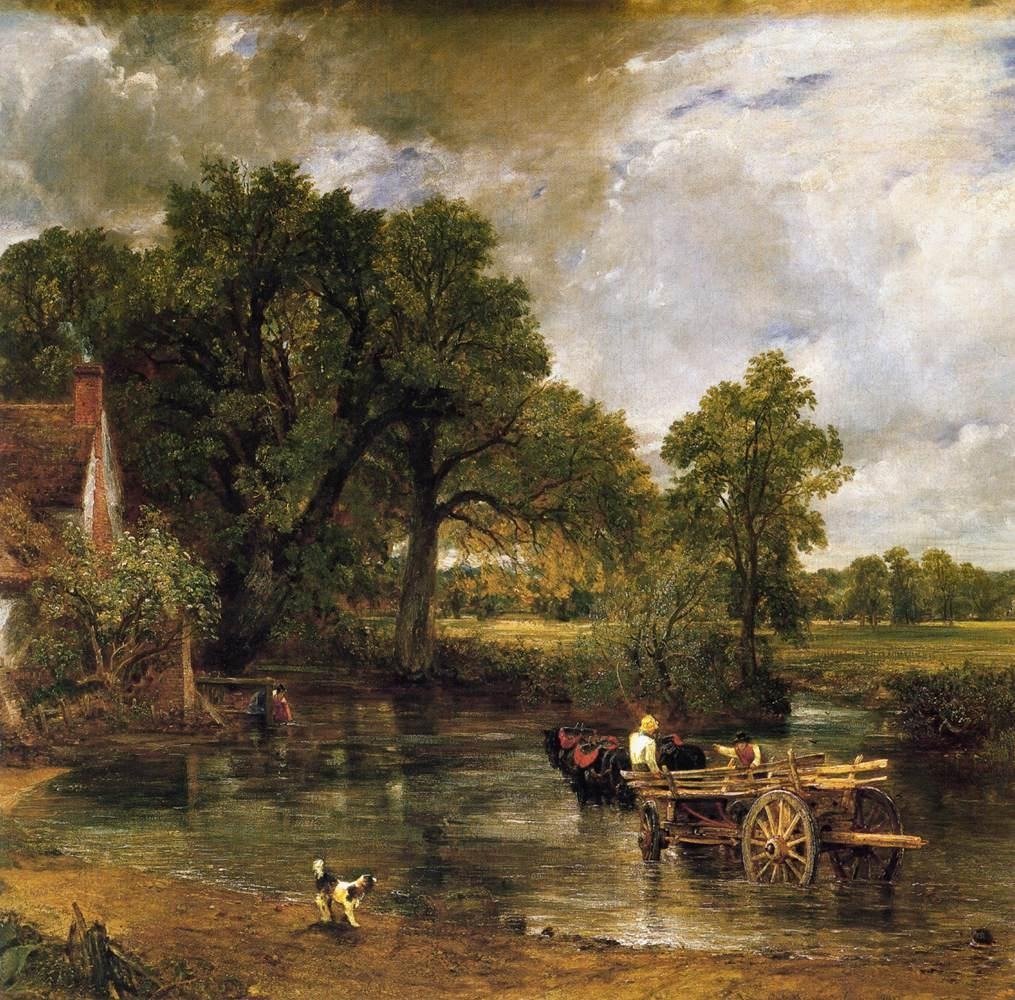
One famous example is John Constable’s painting The Hay Wain, whose title uses the traditional word for a hay carrying wagon. Cambridge specifically cites the painting when defining wain.
Wane or Wain: Why Are They So Easy to Confuse?
The biggest reason is pronunciation.
In American English, wane and wain are both pronounced /weɪn/. Oxford gives wane the pronunciation /weɪn/, while Cambridge gives the same pronunciation for both wane and wain.
You can think of the pronunciation as:
“wayn”
That creates a problem when you’re writing from something you’ve heard rather than something you’ve read.
Someone might say:
“Interest in the product began to wane.”
If you’ve never encountered the written word before, you could reasonably wonder whether the spelling is wane, wain, or even another spelling.
English has plenty of these traps. Sound alone doesn’t always tell you which spelling to choose.
With wane and wain, context is your best clue.
Wane vs. Wain: Key Differences
The distinction becomes straightforward when you compare the words side by side.
| Feature | Wane | Wain |
| Pronunciation | /weɪn/ | /weɪn/ |
| Meaning | Gradually become weaker or less | An old wagon or cart |
| Main grammatical role | Verb | Noun |
| Modern usage | Common | Rare and old-fashioned |
| Can describe popularity? | Yes | No |
| Can describe the moon? | Yes | No |
| Can mean wagon? | No | Yes |
| Common phrase | On the wane | Mostly historical/literary |
| Related expression | Wax and wane | The Hay Wain |
The most important difference isn’t pronunciation. It’s meaning.
Wane Is About Decline
If you’re talking about something becoming less powerful, less popular, or less intense, use wane.
Examples:
- Her patience began to wane.
- The team’s dominance eventually waned.
- Interest in the subject is waning.
- The moon is waning.
- Their political influence has waned.
Wain Is About an Old Vehicle
If you’re talking about an old wagon or cart, use wain.
Examples:
- The wain carried grain from the field.
- The painting shows a horse drawn wain.
- The old wain stood beside the barn.
In most modern contexts, though, wagon will sound more natural.
Wane or Wain Examples in Sentences
Examples make the distinction much easier to see.
Examples of Wane
- Her enthusiasm began to wane after several meetings.
- Public interest in the story gradually waned.
- The politician’s influence began to wane.
- Demand for the product has waned in recent months.
- His confidence started to wane after repeated failures.
- The moon will wane after the full moon.
- Their excitement waned as the delay continued.
- The team’s dominance slowly waned.
- Support for the proposal is on the wane.
- Her interest in the hobby has waned over time.
Each example involves a gradual reduction in strength, importance, interest, or intensity.
Examples of Wain
- The farmer loaded the wain with hay.
- The old wain stood near the farmhouse.
- Workers pulled the heavy wain across the field.
- The poem describes a horse drawn wain.
- The painting depicts a traditional wain carrying hay.
- The villagers used a wain to transport grain.
These sentences use wain in its traditional sense of a wagon or cart.
Wane or Wain: Common Contexts for Wane
Because wane is common in modern English, it appears across many subjects.
Interest
Interest in the new product began to wane.
This is one of the most natural uses. Interest starts high and gradually decreases.
Popularity
The actor’s popularity began to wane after several unsuccessful films.
Here, wane describes declining public attention or admiration.
Influence
The organization’s influence has waned in recent years.
Influence isn’t something you can physically measure like a box of apples. Still, it can become stronger or weaker. Wane works well for that gradual shift.
Enthusiasm
Their enthusiasm for the project began to wane.
This is another common pairing.
Power
The ruler’s political power slowly waned.
The word works especially well when power declines over a period of time.
Demand
Consumer demand for the product has waned.
This usage also appears in business and economic writing. Cambridge’s Business English Dictionary gives wane as meaning to become weaker and uses it in a business context involving a company’s share price.
The Moon
The moon is waning.
Here, the word has its more specific astronomical meaning.
Wane or Wain: Common Contexts for Wain
The uses of wain are much narrower.
You might encounter it in:
- Historical writing
- Poetry
- Older literature
- Descriptions of traditional farming
- Art history
- Astronomy related names
- Archaic expressions
If you see wain in a modern article about transportation, don’t automatically assume the writer made a spelling mistake. The writer may deliberately be using an archaic term for a wagon.
However, in ordinary modern writing, wagon is almost always the more natural choice.
Wane and Wain Pronunciation
Both words are pronounced /weɪn/.
| Word | Pronunciation | Sounds like |
| wane | /weɪn/ | wayn |
| wain | /weɪn/ | wayn |
Because they’re homophones, saying the words aloud won’t help you determine which spelling belongs in a sentence.
That’s where meaning comes in.
For example:
“His interest began to ___.”
You hear the same sound either way. But the meaning clearly points to wane, because the sentence describes something becoming weaker.
Now consider:
“The farmer loaded the ___ with hay.”
Again, pronunciation can’t help. But the meaning points to wain, because the sentence describes an old wagon or cart.
Wane vs. Wain and the Phrase “Wax and Wane”
The expression wax and wane deserves special attention because it can create another spelling trap.
To wax means to grow or increase in this particular contrast. To wane means to decrease.
So when something waxes and wanes, it rises and falls over time.
Oxford describes wax and wane as increasing and then decreasing in strength or importance over a period of time.
For example:
Public interest in the issue has waxed and waned over the years.
The phrase can describe:
- Interest
- Popularity
- Political influence
- Public attention
- Emotions
- Trends
- Relationships
- Beliefs
- Demand
It doesn’t necessarily mean something disappears permanently. It suggests a pattern of change.
A person’s enthusiasm might wax and wane throughout a long project. A trend might become popular, fade away, and return later.
Wane vs. Wain: Wane, Waning, and Waned
Once you understand wane, its common forms are easy to recognize.
| Form | Example |
| wane | Interest may wane. |
| wanes | His enthusiasm wanes quickly. |
| waned | Public support waned. |
| waning | Interest is waning. |
Oxford lists these standard forms: wane, wanes, waned, and waning.
What Does Waning Mean?
Waning is the present participle of wane. It describes something that is becoming weaker or less powerful.
For example:
- waning interest
- waning popularity
- waning influence
- waning enthusiasm
- waning demand
- waning confidence
Cambridge defines waning as the present participle of wane and uses it in contexts involving declining strength or influence.
So if you encounter waning, think:
Something is gradually becoming less.
Wane vs. Wain: A Simple Memory Trick
When two words sound identical, a small memory trick can save you from repeated mistakes.
Remember: Wane = Weaken
Both ideas begin with the same basic W association:
Wane → Weaken
If something is becoming weaker, less important, or less intense, choose wane.
Her interest began to wane.
Remember: Wain = Wagon
Think:
Wain → Wagon
Both refer to an old style of wheeled vehicle.
The farmer loaded the wain.
This isn’t an etymological rule. It’s simply a practical memory device.
And sometimes the simplest trick is the best one.
Wane vs. Wain: Common Mistakes
Using Wain When You Mean Wane
Incorrect:
His interest began to wain.
Correct:
His interest began to wane.
Interest can become weaker. It can’t become a wagon.
Using Wane When You Mean Wain
Incorrect:
The farmer loaded the wane with hay.
Correct:
The farmer loaded the wain with hay.
The sentence describes an old cart or wagon, so wain is the correct word.
Assuming Wain Is a Variant Spelling of Wane
It isn’t.
These are separate words with different meanings. Their shared pronunciation is what creates the confusion.
Choosing the Word Based Only on Sound
This is the biggest practical problem.
If you only hear the word, you can’t reliably distinguish the two. You have to look at the meaning of the sentence.
That’s why spelling from context matters.
Wane vs. Decline vs. Fade vs. Dwindle
Several words overlap with wane, but they don’t always carry exactly the same tone.
| Word | General meaning | Example |
| wane | Gradually become weaker or less important | Her influence began to wane. |
| decline | Become lower, weaker, or less | Sales declined this year. |
| fade | Gradually lose strength, brightness, or clarity | The memory began to fade. |
| diminish | Become or make smaller or less | The noise gradually diminished. |
| dwindle | Become steadily smaller or fewer | Their savings began to dwindle. |
| ebb | Gradually recede or decrease | His confidence began to ebb. |
Cambridge lists decline, decrease, diminish, drop, and ebb among related words for wane.
Why Choose Wane?
Wane often emphasizes a gradual loss of strength, influence, popularity, or intensity.
Compare these:
Her popularity declined.
This is straightforward.
Her popularity waned.
This emphasizes a gradual fading of popularity and often has a slightly more literary tone.
Neither is inherently better. The best choice depends on the sentence and the tone you want.
A Practical Wane vs. Wain Test
When you’re editing your writing, use this quick test.
Step One: Identify the Meaning
Ask:
Does the sentence describe something becoming weaker or less important?
If yes, choose wane.
Step Two: Look for an Old Vehicle
Ask:
Does the sentence describe an old wagon or cart?
If yes, choose wain.
Step Three: Check the Context
Try replacing the word with a simpler synonym.
If decrease, weaken, or fade works, you probably need wane.
If wagon or cart works, you probably need wain.
Quick Test
Fill in each blank:
- Her enthusiasm began to ___.
- The farmer loaded the ___ with grain.
- Public support continued to ___.
- The old ___ stood beside the barn.
- The moon will ___ after the full moon.
Answers:
- wane
- wain
- wane
- wain
- wane
Once you use the meaning test, the spelling becomes almost automatic.
A Real Usage Case Study: “Interest Began to Wane”
Consider this sentence:
Interest in the product began to wane after the initial excitement faded.
Why does wane work so well here?
First, interest has no physical size that literally shrinks. The sentence uses wane figuratively to describe a reduction in attention or enthusiasm.
Second, the decline happens gradually. The phrase doesn’t suggest that customers suddenly stopped caring. Instead, their interest slowly lost its intensity.
Third, wane fits naturally with words such as:
- Interest
- Excitement
- Enthusiasm
- Popularity
- Support
- Influence
- Confidence
This pattern is one reason wane remains useful in modern English.
A Real Usage Case Study: “The Hay Wain”
Now consider The Hay Wain, the famous landscape painting by English artist John Constable.
The word wain in the title refers to the horse drawn wagon depicted in the scene. Cambridge uses the painting as an example when defining wain.
The context makes the spelling clear.
You’re not describing something becoming weaker. You’re talking about a physical vehicle.
Therefore:
The Hay Wain ✅
Not:
The Hay Wane ❌
This is a useful example because it shows how an old word can survive in a famous cultural reference even when people rarely use that word in ordinary conversation.
Wane or Wain: Which Word Should You Use?
For most modern writing, wane will be the correct choice when you’re deciding between these two words.
Use wane for:
- Declining interest
- Falling popularity
- Weakening influence
- Reduced enthusiasm
- Decreasing power
- Diminishing demand
- The moon after the full moon
- Something gradually becoming less important
Use wain for:
- An old wagon
- An old cart
- Historical descriptions of horse drawn vehicles
- Literary or poetic references to traditional wagons
- Certain established names and titles
If you’re writing an email, article, essay, report, or social media post and you mean “become weaker,” choose wane.
If you’re writing about an old wagon from a historical scene, wain may be appropriate.
Wane or Wain FAQs
Is it wane or wain?
Both are correct words, but they have different meanings.
Wane means to gradually become weaker, less important, less popular, or less intense. Wain is an old word for a wagon or cart.
Are wane and wain pronounced the same?
Yes. Both are generally pronounced /weɪn/ in American English.
What does wane mean?
Wane means to gradually become weaker or less important. It can describe things such as interest, popularity, influence, enthusiasm, power, and demand. It also describes the moon’s apparent decrease in illuminated size after the full moon.
What does wain mean?
Wain is an old term for a wagon or cart, especially one used for carrying goods. Modern English generally uses wagon or cart instead.
Is wain still used today?
Yes, but it is uncommon in everyday modern English. It mainly appears in historical, literary, poetic, artistic, or established contexts. Cambridge labels the word old use.
What does “on the wane” mean?
On the wane means becoming weaker, less powerful, less popular, or less common.
For example:
Public interest in the issue is on the wane.
Oxford and Cambridge both recognize this expression.
What is the opposite of wane?
The traditional opposite is wax, especially when discussing the moon.
The moon waxes as its visible illuminated portion grows and wanes as that portion decreases.
In other contexts, possible opposites include increase, strengthen, grow, rise, or intensify, depending on the sentence.
What does “wax and wane” mean?
Wax and wane means to increase and then decrease repeatedly over time.
For example:
Public interest in the issue has waxed and waned for decades.
The expression can describe changing strength, importance, popularity, attention, or influence.
Is “waning” a form of wane?
Yes. Waning is the present participle of wane.
For example:
Waning interest eventually affected sales.
It means the interest was gradually becoming weaker.
Can wane be a noun?
Yes. The noun appears particularly in the expression “on the wane.” Oxford identifies wane as a singular noun in this usage.
Is wain a synonym for wagon?
Historically, yes. Wain refers to an old type of wagon or cart. However, wagon is the normal modern word in everyday American English.
Wane or Wain: Final Verdict
The difference between wane and wain is simple once you connect each word to its meaning.
Wane means to gradually decrease, weaken, fade, or become less important. You can use it for interest, enthusiasm, popularity, influence, power, demand, and the moon.
Wain means an old wagon or cart. You’ll mostly see it in historical or literary contexts rather than everyday conversation.
Both words sound like “wayn,” which explains the confusion. Their meanings, however, point in completely different directions.
The quickest memory trick is this:
Wane = weaken.
Wain = wagon.
So when someone’s enthusiasm starts to decrease, it wanes. When an old farmer loads a traditional wagon, he may load a wain.
That’s the whole distinction in a nutshell.